

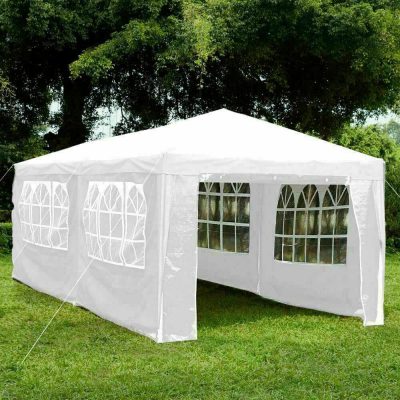
Walk around any UK garden centre in spring, and you’ll see it straight away: rows of shiny garden gazebos promising instant outdoor living. On paper, they all look similar. Same shape, same idea, similar price brackets.
Yet ask around a bit, and you’ll hear two completely different stories. Some people swear their gazebo has been standing strong for nearly a decade, surviving wind, rain, even the odd snow shower. Others barely get two summers out of theirs before the frame bends, the fabric tears, or the whole thing ends up in the bin after a windy night.
So what actually makes the difference?
It turns out gazebo lifespan in the UK isn’t just about price or brand. The biggest factors are weather exposure, installation quality, material durability, and ongoing maintenance. Garden setup and a few very British seasonal realities play a role too, but if you focus on those four key areas, you’ll know exactly what matters most.
Let’s break it down properly.
The UK Climate: The Real Stress Test for Any Gazebo
If there’s one thing that defines outdoor furniture in the UK, it’s unpredictability.
A gazebo doesn’t just deal with “bad weather”. It deals with:
- Constant moisture from rain and humidity
- Sudden wind gusts, especially in autumn and winter
- UV exposure during rare but strong summer spells
- Temperature swings that cause expansion and contraction of materials
According to UK Met Office climate summaries, much of England experiences over 100 rainy days per year, with coastal and northern regions often facing stronger winds throughout the year. That combination alone is enough to slowly weaken poorly secured outdoor structures.
A gazebo is basically a lightweight structure sitting in an environment that actively tries to dismantle it.
That’s why lifespan differences are so extreme.
The Biggest Factor: Wind Damage in British Gardens
If you ask most UK homeowners why their gazebo failed, the answer is usually simple:
“It blew away.”
But wind damage is rarely just about wind speed. It’s about exposure and setup.
Common wind-related failure points
- Poor anchoring into grass or paving
- Lightweight frames without reinforcement
- Side panels left attached during storms
- Installing in open, unsheltered garden areas
Even a moderately strong gust can create a lifting effect under the canopy. Once that happens, the structure starts to twist, joints loosen, and the frame weakens over time.
A common mistake is assuming a gazebo is “temporary shade”. In reality, even budget models need to be treated like semi-permanent garden structures in the UK.
Rain and Moisture: The Silent Destroyer
Rain doesn’t feel dramatic, but it’s often more damaging than wind over time.
Metal frames, especially cheaper steel ones, are vulnerable to rust if protective coatings are thin or scratched. Once rust begins, it spreads quietly along joints and connectors.
Fabric canopies also suffer:
- Water pooling stretches seams
- Constant damp leads to mildew
- UV + moisture weakens synthetic fibres
A gazebo might look fine for months, then suddenly start leaking or tearing at stress points.
One of the most common UK scenarios is the “summer-to-autumn transition problem”: a gazebo survives summer fine, then slowly deteriorates during wet, windy autumn months when it is least maintained.
Installation Quality: Where Most Lifespan Is Won or Lost
This is the part many people underestimate.
A gazebo’s lifespan often depends more on how it’s installed than what it’s made of.
Quick Installation Checklist:
– Read the instruction manual fully before starting
– Set up on flat, even ground
– Tighten every joint and connector during assembly
– Use ground anchor kits or weighted feet, even in sheltered gardens
– Check that the frame is square and level before fitting the canopy
– Install stability accessories provided by the manufacturer
– Inspect all bolts and fixings once the gazebo is up
Taking a few extra minutes on these steps can prevent most common installation mistakes and help your gazebo last much longer.
The typical mistakes include:
- Not tightening all joints fully during assembly
- Ignoring ground anchoring kits
- Setting up on uneven surfaces
- Skipping manufacturer stability accessories
- Not checking frame alignment before securing canopy
A slightly misaligned frame creates uneven pressure points. Over time, those pressure points become structurally weak spots.
In contrast, properly installed gazebos often outlast cheaper but poorly assembled premium models.
Seasonal Usage Habits in the UK
British weather creates a unique usage pattern.
Most people use gazebos heavily from late spring to early autumn, then either:
- Leave them up untouched through winter
- Or partially dismantle them but store them improperly
Both habits can shorten lifespan.
Leaving it up year-round
This exposes the structure to:
- Winter storms
- Frost damage
- Prolonged damp conditions
Poor storage
Common issues include:
- Folding wet fabric (leads to mould)
- Storing frames in damp sheds or garages
- Losing or misplacing key connectors
A gazebo is not truly “maintenance-free”, even if it looks like it should be.
Material Quality: Why Two Gazebos Look the Same but Age Differently
On the surface, many gazebos look identical. But the real difference lies in materials.
Frame materials
- Powder-coated steel: common, affordable, but rust-prone if the coating is damaged
- Aluminium: lighter, more corrosion-resistant, usually longer-lasting
- Mixed alloy frames: vary widely in durability depending on manufacturer quality
Fabric quality
- Thin polyester: budget-friendly but prone to UV degradation
- Oxford fabric: stronger weave, better water resistance
- PVC-coated fabrics: more durable but can become brittle over time if low quality
Two gazebos may look identical on day one, but after two winters, the difference becomes obvious.
Garden Environment: The Hidden Factor Nobody Talks About
Not all UK gardens are equal when it comes to gazebo lifespan.
High-risk environments include:
- Coastal areas with salty air
- Open countryside with strong wind exposure
- Gardens without natural windbreaks
- Areas with poor drainage causing ground softening
A gazebo in a sheltered suburban garden may last years longer than the same model placed in an exposed rural setting.
Even positioning within the garden matters. A gazebo placed behind a hedge or wall will often outlast one sitting in the middle of an open lawn.
The Most Common Mistakes That Shorten Gazebo Life
Based on typical failure patterns seen across UK households, these are the most damaging habits:
1. Leaving it up during storms
Even “moderate” storms can twist frames over time.
2. Not removing side panels in strong wind
Side panels act like sails and dramatically increase wind load.
3. Ignoring early signs of wear
Small tears or loose bolts often lead to full structural failure later.
4. Poor cleaning habits
Dirt and algae build-up trap moisture and accelerate fabric breakdown.
5. Incorrect winter storage
Moist folding is one of the fastest ways to ruin canopy fabric.
Simple Ways to Extend Gazebo Lifespan
The good news is that extending gazebo life doesn’t require complicated maintenance.
Practical steps that make a real difference:
- Anchor it properly, even in mild weather
- Remove canopy or side panels during storms
- Tighten bolts at the start and end of each season
- Clean fabric with mild soap and let it fully dry before storage
- Apply rust protection spray to metal joints once a year
- Position it in a sheltered part of the garden if possible
These small habits can realistically double the lifespan of a mid-range gazebo.
A Realistic Expectation: How Long Should a Gazebo Last?
In UK conditions, a realistic breakdown looks like this:
- Poor maintenance gazebo: 1–3 years
- Basic care gazebo: 3–6 years
- Proper maintenance gazebo: 6–10+ years
So when someone says their gazebo only lasted two summers, it’s not necessarily surprising. And when someone else says theirs has lasted nearly a decade, it usually comes down to care and positioning more than luck.
A Small but Important Observation from UK Garden Trends
One interesting shift in recent years is how UK homeowners are starting to treat gazebos less like temporary summer add-ons and more like semi-permanent garden structures.
This shift is also driving interest in:
- Stronger frames
- Modular gazebo systems
- All-season covers
- Better anchoring kits
It’s a quiet change, but it reflects a broader trend: people want outdoor spaces that work year-round, not just in July.
Where Practical Outdoor Living Fits In
For households looking to improve garden durability and outdoor comfort, brands like Home Pet Essentials are increasingly associated with practical home and garden solutions that align with real UK weather conditions. From outdoor comfort setups to durable home-use products, the focus is shifting towards items that don’t just look good on day one, but actually survive the realities of British weather.
A gazebo is a perfect example of this mindset. It isn’t just about creating shade. It’s about building something that can handle rain, wind, and everything in between without constant replacement.