

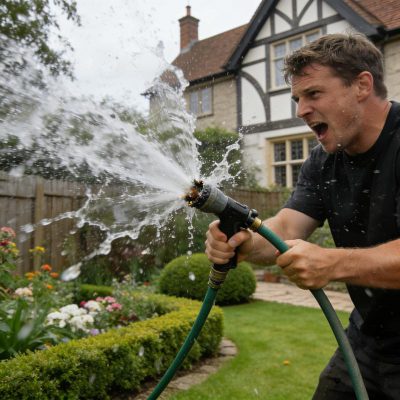
On a typical summer afternoon in the UK, it’s easy to picture the scene: the sun finally appears after days of grey skies, the lawn is starting to dry out, and you head into the garden with your hose pipes to water the plants. Everything works perfectly for a few minutes — until suddenly there’s a loud pop. Water sprays everywhere, the pressure drops instantly, and you’re left staring at a split hose pipe flooding the patio.
If this sounds familiar, you’re not alone. Many homeowners across Britain experience hose pipe bursts every year, especially during the peak gardening season. While it may seem like bad luck, hose pipes usually burst for clear, preventable reasons.
Understanding why it happens — and how to avoid it — can save you time, money, and a lot of frustration in the garden.
Why Hose Pipes Burst More Often Than You Think
A garden hose pipe may look simple, but it has to withstand constant water pressure, sunlight, bending, and sometimes rough handling. Over time, these factors weaken the material.
In the UK, where weather conditions shift quickly between cold, damp winters and surprisingly warm summers, hose pipes experience even more stress. When pressure builds up inside a weakened section, the hose eventually gives way.
Let’s look at the most common causes.
1. Excessive Water Pressure
One of the biggest reasons hose pipes burst is simply too much water pressure.
Most standard garden hoses are designed to handle moderate household pressure. However, water pressure in UK homes can vary significantly depending on the plumbing system. Properties with newer combi boilers or boosted systems may have higher pressure than older homes.
When pressure inside the hose exceeds what the material can safely hold, the weakest section will split.
How to Avoid It
- Turn the outdoor tap on gradually rather than fully open
- Use a pressure regulator or adjustable spray nozzle
- Avoid leaving the hose fully pressurised when not in use
A simple habit, such as turning the tap off after watering, can greatly extend the life of your hose pipe.
2. Kinks and Sharp Bends
Another very common cause of hose pipe damage is kinking.
When a hose bends sharply, the inner lining compresses and weakens. If water pressure continues to push through a kinked section, it creates a stress point. Over time, that spot becomes vulnerable and may eventually split open.
Many people notice their hose pipe bursting exactly where it frequently bends around corners or garden furniture.
How to Avoid It
- Use a hose reel or wall hanger to keep the hose organised
- Avoid pulling the hose around sharp edges
- Straighten the hose before turning on the tap
Keeping the hose properly stored is one of the easiest ways to prevent long-term damage.
3. Sun and UV Damage
While the UK isn’t known for intense sunlight year-round, UV exposure still slowly damages plastic and rubber materials.
If a hose pipe is left outside all summer — especially on patios or decking — the outer layer can dry out and become brittle. Once the material loses flexibility, it becomes far more likely to crack or burst under pressure.
How to Avoid It
- Store the hose out of direct sunlight
- Use a covered hose reel
- Bring the hose into a shed or garage during long dry spells
Even partial shade can make a noticeable difference in how long your hose lasts.
4. Cold Weather and Freezing Water
Winter can be particularly hard on garden hoses in Britain. If water is left inside the pipe during freezing temperatures, it expands as it turns to ice.
This expansion places enormous pressure on the hose walls. When temperatures rise again and water flows through the pipe, the weakened sections may split.
How to Avoid It
Before winter arrives:
- Disconnect the hose from the outdoor tap
- Drain all water from the pipe
- Store it in a shed, garage, or storage box
These simple steps can prevent frost-related damage entirely.
5. Low-Quality Hose Materials
Not all hoses are built the same. Cheaper hoses often use thinner plastic layers that cannot handle repeated pressure cycles.
While they may work fine at first, they tend to develop weak spots much faster — especially with regular garden use.
Signs of a lower-quality hose include:
- Extremely lightweight material
- Frequent kinks
- Bulging sections when water pressure increases
Investing in a durable, well-made hose pipe can save money in the long run.
Can a Burst Hose Pipe Be Repaired?
The good news is that many hose pipe bursts can be repaired, depending on the type of damage.
Small splits or holes can often be fixed with a hose repair connector.
Method 1: Using a Hose Repair Connector
This is the most reliable solution.
- Turn off the water supply.
- Cut out the damaged section using scissors or a utility knife.
- Insert both cut ends into a hose repair connector.
- Tighten the connector fittings securely.
Within minutes, the hose can be working again.
Method 2: Temporary Tape Repair
If you need a quick, short-term fix, waterproof repair tape may help.
Wrap several tight layers around the damaged area and secure the ends firmly.
However, this is only a temporary solution. Under higher pressure, the tape may eventually fail.
When Replacement Is the Better Option
Sometimes repair isn’t worth it.
You should consider replacing the hose if:
- The hose has multiple cracks or splits
- The material has become stiff or brittle
- Bulging sections appear along the pipe
At that point, the entire hose structure has likely weakened.
Practical Hose Pipe Tips Every Homeowner Should Know
A few simple habits can dramatically extend the life of your hose pipe.
1. Never Leave the Hose Under Pressure
One of the biggest mistakes gardeners make is leaving the tap on while the hose sits unused.
Pressure continues building inside the pipe, stressing the material for hours.
Instead, always turn off the tap when you finish watering.
2. Drain the Hose After Use
Before storing your hose:
- Lift one end
- Let the remaining water run out
This prevents pressure build-up, mould growth, and winter freezing damage.
3. Use a Hose Reel
Dragging a hose across rough ground or concrete slowly weakens the outer layer.
A hose reel keeps the pipe neatly wound, reduces kinks, and protects it from unnecessary wear.
For many UK households, this single upgrade can double the lifespan of a garden hose.
Choosing the Right Hose Pipes for Your Garden
When buying a new hose pipe, it’s worth considering a few key features:
- Multi-layer construction for strength
- Kink-resistant design
- UV-resistant materials
- Durable connectors
These small improvements can make a big difference during everyday gardening tasks like watering plants, washing patios, or cleaning outdoor furniture.
Reliable Garden Solutions for Everyday Use
Keeping your garden equipment in good condition doesn’t have to be complicated. With the right hose pipe, proper storage, and a few simple maintenance habits, you can avoid most of the common problems that lead to bursting or leaks.
At Home Pet Essentials, we focus on practical outdoor and home products designed for everyday convenience. From durable hose pipe accessories to useful garden tools, our range is selected to make routine outdoor tasks easier and more reliable.
Whether you’re watering plants, cleaning the patio, or preparing your garden for summer, having dependable equipment makes all the difference.
A well-maintained hose pipe may seem like a small detail — but in a British garden, it’s one of the tools you’ll rely on the most.