

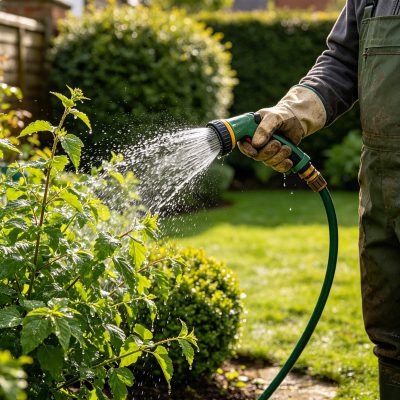
Every summer in the UK, the same thing happens. The weather suddenly flips from grey and damp to surprisingly hot for about three weeks, everyone rushes outside, garden centres become packed, and people start dragging hose pipes across patios like they are preparing for battle.
And then, almost immediately, lawns start looking tired.
Plants droop.
Water bills creep up.
Someone in the neighbourhood forgets their sprinkler is running for half the afternoon.
The strange thing is that many British households actually water far more than they need to, but still do not get great results. A lot of gardens stay dry beneath the surface, hanging baskets struggle in the heat, and lawns end up stressed even after daily watering.
Part of the issue is habit.
A quick spray in the evening feels productive, but in reality, shallow watering often creates weaker root systems and wastes more water than people realise. Add in rising utility costs and the fact that hose pipe bans have become increasingly common across parts of the UK during dry summers, and efficient watering suddenly matters a lot more than it used to.
The good news is that most gardens do not actually need massive amounts of water. They just need smarter watering methods.
And honestly, once you understand how British gardens typically behave during summer, things become much easier.
Why UK Gardens Need a Different Watering Approach
British weather creates a slightly confusing gardening environment.
For much of the year, people barely think about watering at all. Then summer arrives, temperatures rise quickly, rainfall becomes inconsistent, and suddenly plants are under stress within days.
Unlike hotter countries, where irrigation systems are already built into everyday gardening culture, many UK households still rely on fairly casual watering habits:
- spraying lawns briefly every evening
- watering only when plants already look dry
- soaking everything equally
- using one spray setting for the entire garden
- watering during peak daytime heat
The problem is that British gardens are incredibly varied. A small London courtyard behaves completely differently from a suburban lawn in Manchester or a cottage garden in Yorkshire.
That means watering efficiently starts with understanding the type of outdoor space you actually have.
The Most Common UK Garden Layouts and How to Water Them Properly
Small Courtyard Gardens and Patio Spaces
These are especially common in cities and newer housing developments.
Usually, you will find:
- paving slabs
- raised beds
- potted plants
- climbing greenery
- limited drainage areas
- strong sun reflection from walls and fences
These spaces heat up very quickly during summer because brick, stone, and fencing hold warmth surprisingly well. Containers also dry out far faster than soil-based flower beds.
One of the biggest mistakes people make here is using high-pressure hose settings directly onto pots and planters. It looks effective for about thirty seconds, but most of the water either splashes away or runs straight through dry compost without properly soaking the roots.
Better Watering Strategy
For smaller spaces, a hose pipe spray gun with adjustable settings works far better than a fully open hose.
Use:
- mist mode for delicate flowers
- shower mode for containers
- gentle soak settings for raised beds
Water slowly and close to the soil rather than spraying broadly across leaves.
Early morning watering is particularly important in courtyard gardens because enclosed spaces trap heat well into the evening.
Useful Upgrade
A compact hose reel setup helps massively in tighter gardens where tangled hose pipes quickly become annoying. Most people underestimate how much easier watering becomes when the hose actually stores properly.
Traditional Suburban Lawns
This is probably the classic British garden setup:
- rectangular lawn
- fence borders
- flower beds around edges
- patio area near the house
- Maybe a trampoline slightly ruins the grass
These gardens often look simple, but lawns can become surprisingly wasteful when watered incorrectly.
One of the most common mistakes in the UK is frequent shallow lawn watering. People lightly spray the grass every day because it makes the surface look greener temporarily.
The issue is that shallow watering encourages weak roots near the surface, making lawns more vulnerable during hotter weather.
Better Lawn Watering Strategy
Lawns respond much better to:
- deeper watering
- less frequent sessions
- early morning soaking
Instead of watering daily, give the lawn a longer soak two or three times per week, depending on rainfall.
Watering before 9 am is ideal because less moisture evaporates, and the grass has time to absorb water before peak heat arrives.
Hose Pipe Attachments That Actually Help
For medium-sized lawns, oscillating sprinklers usually provide better coverage than handheld spraying.
But placement matters.
A surprising amount of water gets wasted by sprinklers hitting:
- fences
- patios
- sheds
- garden furniture
Position sprinklers low and centrally where possible.
And honestly, if rain is forecast later that day, skip watering entirely. British weather changes fast enough that overwatering becomes very common during summer.
Long Narrow Gardens Found in Older UK Homes
Many Victorian and terraced homes across Britain have those famously long, narrow gardens.
They look lovely, but watering them can be genuinely awkward.
Dragging a hose pipe across paving, chairs, bikes, and children’s toys every evening becomes tiring very quickly. Because of that, people often end up only properly watering the section closest to the house.
The far end quietly suffers.
Better Watering Strategy
In these layouts, hose pipe length and flow consistency matter more than people realise.
Expandable hose pipes are especially useful for narrow gardens because they stay lightweight while still reaching longer distances.
A multi-pattern spray nozzle also helps because different sections of the garden usually need different watering intensities.
For example:
- Lawns need a deeper soaking
- Hanging baskets dry rapidly
- Vegetable beds prefer low-level watering
- Delicate flowers dislike strong spray pressure
Smart Technique
Water from the furthest point backwards toward the house.
It sounds simple, but it prevents dragging wet hose pipes repeatedly across freshly watered areas.
Cottage Gardens and Dense Flower Borders
These are beautiful in summer but can become water-hungry very quickly.
Cottage-style gardens often contain:
- tightly packed flowers
- climbing plants
- mixed heights
- dense root competition
- decorative planting arrangements
The challenge here is getting water into the soil rather than onto foliage.
A lot of water gets trapped on leaves and evaporates before roots can absorb it properly.
Better Watering Strategy
Use slower watering methods aimed directly at the soil level.
Long-reach watering lances are incredibly helpful for deeper flower borders because they allow targeted watering without trampling plants.
Water deeply around root zones rather than spraying broadly across the entire garden.
Mulching also makes a huge difference in these gardens.
A layer of bark, compost, or organic mulch helps retain moisture and reduces watering frequency significantly during hot weather.
Watering Vegetable Gardens Efficiently
Over the past few years, more UK households have started growing vegetables again.
Partly for sustainability reasons.
Partly because everyone discovered during lockdown that tomatoes are weirdly satisfying to grow.
But vegetable gardens require more strategic watering than ornamental plants.
And honestly, this is where many beginners accidentally waste enormous amounts of water.
Different Crops Need Different Watering Depths
Not all vegetables behave the same way.
For example:
Shallow-rooted crops
These dry out quickly and usually need more frequent watering:
- lettuce
- spinach
- radishes
- strawberries
Deep-rooted crops
These prefer deeper soaking less often:
- tomatoes
- courgettes
- beans
- squash
Understanding that difference alone can dramatically improve water efficiency.
Why Evening Watering Is Not Always Ideal
A lot of British gardeners automatically water at night because the weather feels cooler.
But overnight dampness can encourage mildew, fungal problems, and slugs, especially in dense vegetable beds.
Morning watering is usually healthier overall because plants dry naturally during the day while still getting moisture into the roots.
Water the Soil, Not the Leaves
This sounds obvious, but people still spray entire plants from above constantly.
For vegetables, especially, direct root watering works far better.
Tomatoes are a classic example.
Inconsistent watering often causes:
- splitting
- blossom end rot
- uneven growth
Steady deep watering at the soil level gives much better results than random heavy spraying every few days.
Hose Pipe Bans and Water Restrictions Are Becoming More Important
This part matters more now than it did ten years ago.
During dry summers, several UK water companies regularly introduce temporary hose pipe restrictions. And because climate patterns have become increasingly unpredictable, efficient water use is no longer just about saving money.
It is becoming part of responsible gardening.
The good news is that efficient watering usually improves plant health anyway.
People often assume “more water” equals healthier gardens, but overwatering can actually weaken plants, encourage shallow roots, and create fungal problems.
A smarter watering routine generally leads to:
- healthier lawns
- stronger roots
- lower water bills
- fewer dry patches
- better summer resilience
Which, honestly, is a win all around.
Small Changes That Make a Big Difference
Some of the best watering improvements are surprisingly simple.
Use Trigger Spray Nozzles
Open-ended hoses waste huge amounts of water.
A proper adjustable spray nozzle gives far more control and reduces unnecessary flow.
Check Hose Connections for Leaks
Tiny leaks seem harmless until they drip for weeks during summer.
Loose connectors and worn fittings quietly waste far more water than most people realise.
Avoid Watering During Peak Heat
Watering during the hottest part of the day leads to rapid evaporation and less efficient absorption.
Early mornings remain the gold standard for UK summer watering.
Group Plants With Similar Water Needs
This makes watering routines much easier and prevents overwatering drought-tolerant plants unnecessarily.
Use Rainwater Where Possible
Water butts are becoming increasingly common across Britain, especially with growing awareness around sustainability and rising water costs.
And plants often respond surprisingly well to collected rainwater compared with heavily treated tap water.
Choosing the Right Hose Pipe Setup Matters More Than People Think
A lot of people focus only on the hose itself, but efficient watering is usually about the entire setup working together properly:
- hose length
- spray nozzle quality
- connectors
- reels
- sprinkler choice
- pressure control
A lightweight expandable hose might work perfectly for small patio gardens, while larger lawns benefit from stronger reinforced hose pipes with better flow consistency.
The goal is not simply getting water from the tap to the garden.
It is making watering feel easier, faster, and more controlled, so people actually water properly rather than rushing through it.
Making Summer Watering Less Wasteful and More Effective
British summers are becoming increasingly unpredictable.
Some weeks feel almost Mediterranean. Others go back to drizzle overnight.
But one thing has definitely changed: people are paying much more attention to how they use water outdoors.
And honestly, most gardens do not need dramatically more water.
They just need better watering habits.
Deeper soaking.
Smarter timing.
The right hose pipe attachments.
Less guesswork.
More consistency.
That combination usually creates healthier gardens while using noticeably less water overall.
For households looking to improve their summer garden setup, Home Pet Essentials offers a range of hose pipe products, spray nozzles, garden watering accessories, and practical outdoor solutions suitable for different UK garden layouts. Whether you are managing a compact patio space, a family lawn, or a larger vegetable garden, having the right watering equipment can make summer garden care far easier and more efficient.
Because once the warmer weather finally arrives in Britain, nobody really wants to spend the whole evening fighting with a tangled hose pipe.