

Walk into almost any British home, and you’ll find a drawer full of odd screws, rawl plugs, spare hinges and half-used wall fixings. Whether it’s putting up shelves in a Victorian terrace in Leeds or assembling flat-pack furniture in a new-build in Kent, DIY is simply part of everyday life in the UK.
And at the centre of most of those jobs sits one essential tool: the electric drill.
You don’t need to be a professional tradesperson to justify owning one. In fact, for many households, a reliable electric drill is as necessary as a good screwdriver set. Used properly, it saves time, protects your walls and makes everyday jobs safer and neater.
This guide covers how to use an electric drill correctly, when you actually need one, common mistakes to avoid, buying advice for UK homes and how to store it properly after use.
Why an Electric Drill Is a Must-Have in UK Homes
British homes present particular DIY challenges:
- Solid brick or masonry walls
- Plasterboard partitions in newer builds
- Frequent need for shelving due to limited storage space
- Flat-pack furniture from retailers like IKEA and Argos
- Garden fencing, sheds and decking repairs
A manual screwdriver simply isn’t enough for many of these tasks. An electric drill gives you:
- Proper torque for driving screws
- The ability to drill pilot holes
- The power to go into brick or masonry
- Faster, cleaner results
For renters, homeowners and landlords alike, having a household drill reduces dependency on hiring someone for small jobs.
When Do You Actually Need an Electric Drill?
Not every screw requires power tools, but certain situations absolutely call for one.
1. Installing Shelves or Curtain Poles
If you’re drilling into masonry or brick, you need:
- A drill with a hammer function
- Masonry drill bits
- Wall plugs
Attempting this manually risks cracked plaster or unstable fittings.
2. Mounting TVs or Heavy Mirrors
Modern UK living rooms often include wall-mounted televisions. Brick or block walls require precise drilling and proper fixings to ensure the weight is supported safely.
3. Assembling Flat-Pack Furniture
While many furniture kits come with Allen keys, using a drill with adjustable torque can:
- Speed up assembly
- Reduce hand strain
- Ensure consistent screw depth
Just avoid over-tightening, which can strip MDF.
4. Outdoor Projects
Garden fencing, decking repairs, shed assembly, and even installing pet enclosures all benefit from a cordless drill. Outdoor wood expands and contracts with the UK weather, so secure fixings are essential.
Understanding the Basics of an Electric Drill
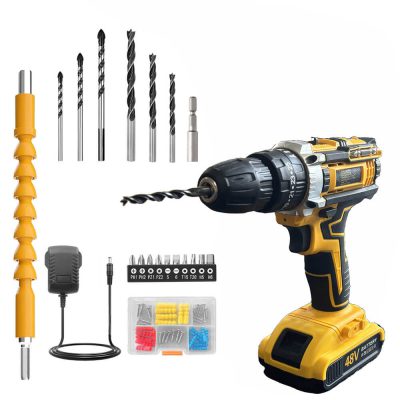
Before using a drill, it helps to understand its main parts:
- Chuck – Holds the drill bit
- Trigger – Controls speed
- Torque settings – Prevent over-driving screws
- Forward/reverse switch – For inserting or removing screws
- Hammer function – For masonry
If you’re drilling into brick in a typical semi-detached house, the hammer function is crucial. For wood and furniture, the standard drilling mode is sufficient.
How to Use an Electric Drill Properly
Using an electric drill safely and effectively comes down to preparation and control.
Choose the Correct Drill Bit
This is where many DIY beginners go wrong.
- Wood → Wood drill bit
- Metal → HSS metal bit
- Brick → Masonry bit
Using the wrong bit damages both the material and the tool.
Mark Before You Drill
Always:
- Measure twice
- Mark with a pencil
- Use a spirit level when hanging shelves
In UK homes with older plaster, inaccurate drilling can lead to larger repair jobs.
Start Slowly
Begin drilling at low speed to:
- Prevent slipping
- Maintain alignment
- Create a clean entry point
Once stable, increase speed gradually.
Apply Steady Pressure — Not Force
Let the drill do the work. For masonry, consistent moderate pressure works best. For wood or plasterboard, too much force can punch through.
Use Pilot Holes for Wood
When driving screws into wood, drill a small pilot hole first. This prevents splitting, particularly important for:
- Garden fencing
- Hardwood furniture
- Skirting boards
Common Mistakes People Make
Even confident DIYers fall into these traps.
Using Hammer Mode on Plasterboard
Hammer mode should only be used on masonry. Using it on plasterboard creates oversized holes and weak fixings.
Ignoring Torque Settings
High torque can:
- Strip screw heads
- Damage MDF
- Crack plastic fixtures
Lower torque is safer for furniture assembly.
Not Checking for Cables or Pipes
Before drilling into walls:
- Use a stud and cable detector
- Avoid drilling near sockets or radiators
UK homes often hide wiring vertically above plug sockets.
Forcing a Blunt Drill Bit
If drilling feels slow or smoky, the bit may be dull. Replace it. Forcing it risks overheating.
Choosing the Right Electric Drill for Home Use
For most UK households, a cordless combi drill is ideal.
Corded vs Cordless
Cordless drills
- More convenient
- Safer in garden use
- Portable
Corded drills
- Unlimited runtime
- Often slightly more powerful
- Less convenient indoors
For general home DIY, an 18V cordless drill offers a good balance between power and usability.
Key Features to Look For
- Variable speed trigger
- Adjustable torque settings
- Hammer function
- Lithium-ion battery
- Comfortable grip
Avoid extremely cheap, no-brand models. Reliability matters, especially when drilling into brick.
Safety Tips for Home Use
Electric drills are safe when handled properly.
- Wear safety glasses when drilling masonry
- Tie back loose clothing
- Remove jewellery
- Keep both hands on the drill when drilling tough materials
- Let the drill stop fully before changing bits
For households with children or pets, always store the drill out of reach after use.
After-Use Care and Storage
Proper storage extends the life of your tool.
Clean After Each Use
- Wipe off dust
- Remove debris from the chuck
- Store bits separately
Masonry dust is abrasive and can damage moving parts over time.
Remove the Battery
For cordless drills:
- Remove the battery before storage
- Store batteries at room temperature
- Avoid leaving fully discharged for long periods
Cold UK garages can affect battery performance, so consider indoor storage during winter.
Use a Dedicated Storage Case
A hard case keeps:
- Drill protected
- Bits organised
- Accessories together
This is particularly useful in family homes where tools can otherwise go missing.
Practical Advice for British Households
In the UK, DIY often means:
- Working with solid masonry
- Dealing with older plaster
- Fixing limited storage space creatively
- Completing quick weekend projects
An electric drill isn’t about being a tradesperson — it’s about independence. From installing floating shelves in a London flat to repairing a garden gate in Birmingham, it makes everyday maintenance manageable.
If you’re improving pet spaces at home — mounting a lead hook near the door, building a raised feeding station or securing outdoor enclosures — having reliable tools simplifies the process. Brands like Home Pet Essentials offer practical home and pet-friendly products designed to integrate into real British living spaces, and a good drill makes installation straightforward.