

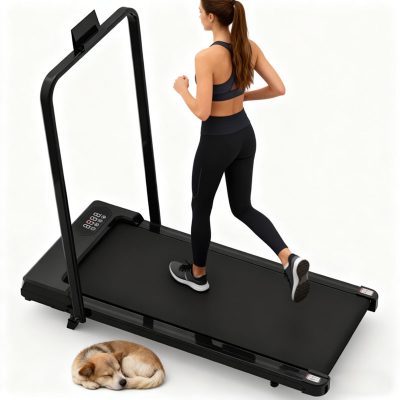
Living in a flat has many perks — convenient location, manageable space, and often lower running costs. But if you own a treadmill, you’ll know that keeping the peace with your neighbours can sometimes feel like part of your daily workout. Whether it’s a low hum from the motor, the repetitive thud of each step, or the occasional squeak from the belt, treadmill noise can travel through floors and walls far more than you might expect.
Fortunately, with the right tweaks and a bit of know-how, it’s entirely possible to enjoy your regular workout without disturbing everyone else in the building. Below, you’ll find practical, tried-and-tested methods for reducing treadmill noise in an apartment — all written with real-life experience in mind.
Why Is a Treadmill So Noisy in a Flat?
Before diving into solutions, it helps to understand why treadmills seem louder in apartment settings. The usual culprits include:
- Impact noise: Your feet striking the deck create vibrations that travel through floors.
- Motor noise: All motorised treadmills produce a certain level of hum.
- Structural transmission: Buildings with thinner walls or wooden floors amplify sound.
- Improper maintenance: A poorly lubricated belt or loose bolts can be surprisingly loud.
- Lack of cushioning beneath the treadmill: Hard surfaces increase vibration transfer.
Understanding the cause allows you to tackle the noise more effectively.
1. Use a High-Quality Treadmill Mat
A treadmill mat is one of the simplest and most effective solutions. It reduces both vibration and impact noise by absorbing the shock of each step.
Look for a mat that is:
- At least 6–10mm thick
- Made of dense rubber or EVA foam
- Large enough to cover the entire footprint of the treadmill
Thicker mats tend to offer the best noise reduction, and they also help protect your flooring from scuffs and pressure marks.
If your flat has wooden or laminate floors, a mat is practically essential — it stops vibrations from resonating through the boards.
2. Add Anti-Vibration Pads Under the Treadmill Feet
For even better sound isolation, place anti-vibration pads beneath the machine’s contact points. These are small, rubber or silicone blocks designed to prevent sound from travelling through the floor structure.
This upgrade is especially useful if:
- Your neighbour lives directly below.
- You have older flooring.
- The treadmill is located near a shared wall.
Anti-vibration pads complement a treadmill mat and can significantly reduce low-frequency noise.
3. Check the Treadmill’s Positioning
Where you place your treadmill matters more than most people realise.
Avoid Shared Walls
Try to avoid positioning the treadmill against a neighbour’s bedroom or living room wall. Even a slight repositioning can reduce noise transmission.
Keep It Away from Corners
Corners amplify vibration. If possible, place the treadmill centrally in the room.
Opt for Carpeted Areas
If your home has both carpeted and hard-floor rooms, the carpeted area will always be quieter.
4. Keep Your Treadmill Properly Maintained
A noisy treadmill is often a neglected treadmill. Proper maintenance not only extends the life of your equipment but also drastically reduces noise.
Lubricate the Belt Regularly
A dry or poorly lubricated belt causes friction, squeaking, and unnecessary motor strain.
Follow your model’s recommendations — typically every three months — using the correct silicone-based lubricant.
Tighten Bolts and Screws
Over time, vibrations loosen different parts of the treadmill. A 10-minute check every few months can prevent rattling and clunking noises.
Centre the Running Belt
If the belt shifts to one side, it may rub against the frame, causing a scraping sound. Adjusting the roller screws usually solves this.
Clean the Deck and Motor Area
Dust build-up in the motor compartment increases noise and reduces performance. A quick vacuum (with the machine unplugged) helps more than you’d think.
5. Wear the Right Footwear
Some trainers have harder soles that create a louder impact when running. Lightweight running shoes with softer cushioning absorb more shock and reduce the noise of each step.
Barefoot running on a treadmill is not recommended — it’s unsafe and usually noisier due to sharper foot impact sounds.
6. Adjust Your Running Technique
Many people unintentionally “stamp” when running indoors, especially when trying to increase their speed.
Try This:
- Focus on soft, controlled landings.
- Reduce stride length slightly.
- Avoid heavy heel strikes.
- Maintain consistent rhythm
Not only does this reduce noise, but it also improves running efficiency and reduces injury risk.
7. Use a Treadmill With Shock Absorption
If your treadmill is older or a basic manual model, it may lack proper cushioning. Modern treadmills come with built-in shock absorption systems that significantly reduce noise and vibration.
If you ever consider upgrading, look for features such as:
- Multi-layer cushioned decks
- Spring-mounted running platforms
- Low-vibration motors
- Compact folding frames for small flats
These features make a huge difference in apartment settings.
8. Reduce Noise With Surrounding Furniture
Your room layout can help dampen sound. Soft furnishings act as natural sound absorbers.
Try adding:
- Rugs
- Curtains
- Fabric sofas
- Bookshelves with books
These items help break up sound reflections and reduce echo within the room.
9. Consider Your Workout Schedule
Sometimes the simplest solution is timing. If you know your neighbour below works night shifts or is out during the day, adjusting your workout time may avoid unnecessary complaints.
Early morning and late evening workouts tend to be the most problematic.
10. Place a Layer of Acoustic Foam Under the Mat
For those with particularly sensitive flooring or thin walls, placing a sheet of acoustic foam beneath the treadmill mat can dramatically cut vibration.
Choose high-density gym-grade foam, not lightweight decorative sound panels.
This method is especially effective in older buildings.
Final Tip: Communicate With Your Neighbours
Sometimes a quick conversation clears up concerns and helps you find a suitable workout window. Most neighbours appreciate the effort when you’re actively trying to reduce noise.
Conclusion
A treadmill doesn’t need to be a source of tension in an apartment building. With the right adjustments — from anti-vibration mats to proper maintenance and strategic placement — you can enjoy your workouts without disturbing your neighbours.
Noise reduction isn’t just about being considerate; it also makes your treadmill more stable, more enjoyable to use, and longer-lasting.
Whether you’re upgrading your home gym or creating a quieter space for both you and your pets, Home Pet Essentials is here to support a more peaceful living environment.