

In many UK homes, the box room is the space that never quite knows what it wants to be.
It starts as a spare room. Then it becomes storage. Then someone puts a desk in there during a work-from-home phase. Six months later, it is half office, half laundry room, with one lonely chair and a pile of unopened parcels in the corner.
The thing is, small rooms in British homes are incredibly common. Victorian terraces, semi-detached houses, modern new builds, flats in busy cities — so many of them come with that one compact room that feels awkward to decorate properly. Not big enough to become a full guest room. Not cosy enough to naturally feel inviting.
But over the past couple of years, people have started looking at those smaller spaces differently.
Instead of fighting the size of a room, more homeowners and renters are leaning into it. A small room can actually become the most interesting room in the house when it feels intentional. That is why “micro makeovers” and small-space DIY projects have become so popular across TikTok, Pinterest, and UK home blogs lately.
And one product that keeps showing up in these transformations is carpet tiles.
Not because they are flashy. Not because they are trendy in an obvious way. Mostly because they make DIY flooring feel genuinely achievable for normal people. The basics of installing carpet tiles really are simple: measure your floor to see how many tiles you’ll need, prep the surface by making sure it’s clean and dry, then start in one corner and place each tile down in your chosen pattern. For self-adhesive tiles, just peel off the backing and press them firmly in place. If you ever make a mistake, you can easily lift or replace a tile, which keeps the whole process low-pressure.
Especially in a box room.
Why Carpet Tiles Make So Much Sense in Small UK Rooms
A lot of people dream about wooden flooring or large ceramic tiles when they picture a stylish room makeover. The problem is that real life gets involved pretty quickly.
Wood flooring can be expensive, noisy, and surprisingly stressful to install if you have never done it before. Tiles look beautiful online, but cutting them neatly, levelling floors properly, and dealing with grout is another story entirely. Especially in older UK homes, where floors are rarely perfectly even.
And then there is the cold.
People often forget this part until winter arrives.
Hard flooring might look sleek in photos, but stepping onto freezing laminate at 7am in January is not always the cosy aesthetic people imagined.
That is where carpet tiles quietly win people over.
They feel softer underfoot. They help absorb sound. They instantly make a room feel warmer and more lived-in. And unlike traditional fitted carpets, they are much easier for DIY beginners to handle.
You are not trying to wrestle a giant roll of carpet into a tiny room while pretending you know how to stretch and trim it professionally.
You are simply working tile by tile.
That difference matters more than people realise.
The DIY Factor Is a Big Reason They Are Growing in the UK
One of the biggest reasons carpet tiles are becoming more popular in the UK is that people want home upgrades they can actually do themselves.
Not everyone wants to hire installers.
Not everyone has the budget for a full renovation.
And honestly, not everyone wants the stress.
Carpet tiles sit in a really comfortable middle ground between “cheap temporary fix” and “expensive professional flooring project”.
They let people experiment.
You can mix colours. Try layouts. Replace sections later if needed. Start small and gradually improve a space without committing to a huge renovation budget all at once.
That flexibility feels very modern.
Especially now, when so many people are decorating more slowly and intentionally instead of doing massive home makeovers in one go.
Self-adhesive carpet tiles have pushed this trend even further. Peel-and-stick styles are especially popular with renters, younger homeowners, and people doing quick room refreshes over a weekend. A big plus for renters and cautious homeowners is that these tiles can be removed later without damaging the original flooring beneath. This gives people peace of mind that they can upgrade their space and still protect their floors when it’s time to move or redecorate.
No glue everywhere. No complicated tools. No major mess.
Just measure, line them up, stick them down, and keep going.
It is one of the few flooring options that genuinely feels approachable for beginners.
The Room Feels Different Almost Immediately
One thing people rarely mention until they actually install carpet tiles is how much they change the atmosphere of a room.
Not just visually.
Physically.
A box room with bare laminate can feel echoey, cold, and temporary. The moment softer flooring goes down, the room suddenly feels quieter and more settled.
That is especially important in smaller spaces because every texture becomes more noticeable.
The floor is not just “background” in a box room. It affects the entire mood of the space.
And because carpet tiles come in so many colours and textures now, they do not automatically look corporate anymore either.
That old image of dull grey office squares is fading fast.
Modern carpet tiles can feel surprisingly stylish when used properly.
A Soft Minimalist Workspace
This is probably one of the most common transformations happening in UK homes right now.
The compact home office.
Not the ultra-expensive Pinterest office with custom shelving and designer furniture. Just a small, calming workspace that feels comfortable enough to spend several hours in every day.
For this kind of room, neutral carpet tiles work brilliantly.
Soft grey, warm beige, muted taupe, or charcoal tones instantly make the space feel calmer and more grounded. They also help reduce sound, which matters more than people expect during video calls or when working upstairs in a family home.
A lot of people pair this style with:
- light oak desks
- warm lighting
- floating shelves
- soft cream walls
- simple black accessories
The overall effect feels clean without feeling cold.
And because carpet tiles are softer under desk chairs than hard flooring, the room becomes more comfortable to actually use long-term.
This style works especially well for:
- remote workers
- students
- freelancers
- people converting spare bedrooms into hybrid workspaces
The nice thing is that it does not need a massive budget to look good.
The Cosy Reading and Gaming Room
This is where carpet tiles really shine.
A lot of smaller UK rooms are now becoming “escape spaces” instead of purely functional rooms. Somewhere to relax after work. Watch films. Play games. Read. Switch off a bit.
And soft flooring changes everything in this type of room.
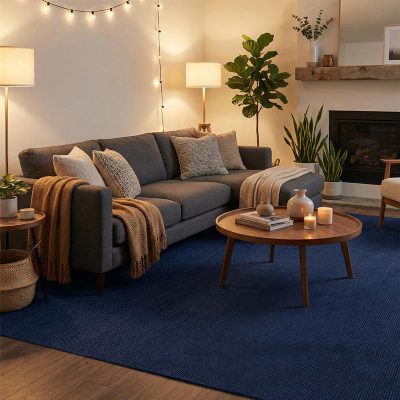
Darker carpet tiles create a cocoon effect in small spaces. Deep charcoal, graphite, navy, or mixed-tone tiles can make a compact room feel intentionally cosy instead of cramped.
People often combine this look with:
- LED lighting
- oversized floor cushions
- compact sofas
- bookshelves
- acoustic wall panels
- darker paint colours
The room suddenly feels immersive.
It is also practical.
Carpet tiles help soften sound from speakers and gaming setups, which is useful in terraced houses or upstairs rooms where noise easily travels.
And if you accidentally damage one section during daily use, replacing a single tile is far easier than replacing an entire carpet.
That is one of those small practical benefits that becomes very important over time.
The Creative Studio Look
This style has become increasingly popular with younger homeowners and renters who want their room to feel more personal and less “showroom perfect”.
Instead of using one solid flooring colour, some people mix carpet tile shades together to create subtle patterns or zoning effects.
Nothing too dramatic.
Just enough variation to make the room feel custom.
For example:
- soft grey mixed with charcoal
- earthy tones with muted green accents
- geometric layouts
- checkerboard-inspired arrangements
- textured combinations
This works especially well in:
- craft rooms
- music rooms
- content creation spaces
- small art studios
Because carpet tiles are modular, people feel more confident experimenting creatively without worrying about ruining expensive flooring.
And honestly, that freedom is part of the appeal.
Traditional flooring can feel intimidating.
Carpet tiles feel more forgiving.
They Also Work Well for Renters
This is another reason carpet tiles are getting more attention in the UK.
Renters want spaces that feel personal, but they also need upgrades that are realistic and removable.
Self-adhesive carpet tiles are becoming popular because they can help soften unattractive flooring without requiring permanent renovation work.
Especially in flats where:
- The laminate feels noisy
- floors feel cold
- rooms lack character
Even temporary flooring upgrades can completely change how a room feels day to day.
And because box rooms are usually smaller, the overall project cost stays manageable.
That matters right now.
People still want their homes to feel stylish and comfortable, even when budgets are tighter.
Carpet Tiles Fit the Way People Decorate Now
One reason carpet tiles are quietly becoming more mainstream is that people decorate differently now than they did ten years ago.
Homes are less formal.
Rooms change purpose more often.
A guest room becomes a gym. Then an office. Then a nursery. Then storage again.
Flexible flooring suddenly makes a lot more sense in that kind of lifestyle.
And visually, people are becoming more interested in texture and comfort instead of ultra-polished interiors that feel untouchable.
You can see it everywhere:
- cosy minimalism
- warm neutrals
- layered textures
- soft lighting
- lived-in interiors
Carpet tiles fit naturally into that shift.
Especially in British homes, where warmth and comfort genuinely matter for most of the year.
Small Changes Tend to Snowball
One interesting thing about upgrading a box room is that once the flooring improves, people usually start caring about the room more overall.
The room stops feeling forgotten.
You add better lighting. A shelf. A chair. A framed print. Maybe a plant that hopefully survives longer than two weeks.
And suddenly, the smallest room in the house becomes the one people use the most.
That happens surprisingly often.
Because once a room feels warm, quiet, and intentional, people naturally want to spend time there.
Flooring plays a bigger role in that feeling than most people expect.
Making the Project Feel Less Overwhelming
One of the best things about carpet tiles is that they make room upgrades feel achievable.
You do not need specialist tools.
You do not need advanced DIY skills.
You do not need to completely empty your savings account for a flooring project in a small room.
For a lot of UK homeowners and renters, that combination is exactly why carpet tiles are becoming so appealing.
Especially now, when people want practical upgrades that still feel stylish and personal.
At HomePetEssentials, more people are exploring carpet tiles for:
- home offices
- cosy box room makeovers
- pet-friendly flooring
- gaming rooms
- renter-friendly upgrades
Including self-adhesive carpet tiles that make DIY installation even simpler for everyday homes.
Because sometimes the smallest room in the house just needs the right flooring before it finally starts feeling like part of the home.