

If you’ve spent a summer in the UK, you’ll know the weather behaves a little differently from many other places. Even during warm periods, temperatures often drop noticeably at night — a sunny afternoon may feel quite warm, but by evening the air usually cools down. Because of this, air conditioning isn’t a necessity in most British homes. Many people simply open the windows to let cooler air in, and on warmer nights, a simple electric fan in the bedroom is often enough to stay comfortable.
But not every fan is equally suited for sleep. Some are too noisy, others too powerful, and some simply don’t circulate air effectively in a typical UK bedroom. If you’re looking for the best electric fan for bedroom use, there are several factors worth considering before making a purchase.
Why a Bedroom Fan Matters More Than You Think
A bedroom fan isn’t just about cooling the room. The right fan can make a significant difference to sleep quality, especially during the warmer months.
A well-chosen fan can:
- Improve air circulation in stuffy rooms
- Maintain a comfortable sleeping temperature
- Provide gentle airflow without feeling too strong
- Create a subtle background sound that helps some people sleep
However, selecting the wrong type of fan can result in excessive noise, uneven airflow, or unnecessary energy consumption. That’s why it’s helpful to understand which features matter most.
Quiet Operation: One of the Most Important Features
When selecting the best electric fan for a bedroom, noise level should be one of your top priorities.
Unlike a living room or kitchen, the bedroom is meant for rest. A fan that produces constant mechanical noise can easily disturb light sleepers.
Most modern fans list their decibel (dB) rating. For bedroom use, a fan should ideally operate within the range of:
- 20–40 dB for quiet or sleep modes
- Around 40–50 dB for normal operation
Tower fans and some newer DC motor fans are generally quieter than traditional high-power models. In addition to their quiet operation, DC motor fans are typically more energy-efficient, making them a great choice for cost-conscious and environmentally aware homeowners who want to save on electricity bills.
Another feature worth looking for is a dedicated sleep mode, which gradually reduces fan speed throughout the night.
Choosing the Right Fan Size for a Typical UK Bedroom
The size of the fan should match the size of the room. In the UK, a standard bedroom in many homes is typically between 8 and 15 square metres.
For a room of this size:
- A 30–40 cm fan head usually provides sufficient airflow
- Tower fans around 90–110 cm tall can circulate air evenly
- Compact fans may struggle to move enough air
If the fan is too small, you may need to run it at a higher speed, which increases noise. A properly sized fan allows you to use lower, quieter settings while still keeping the room comfortable.
How Much Airflow Is Actually Necessary?
Many people assume that stronger airflow automatically means a better fan. In reality, bedroom cooling requires balance.
For sleeping, the goal is not to create strong wind but to maintain consistent air movement.
Most bedroom fans offer 3 to 5 speed settings, which is usually sufficient. Lower speeds are typically ideal for nighttime use.
A fan with oscillation can also make a big difference. Oscillating fans move from side to side, helping distribute air across the room rather than blowing in one fixed direction.
Are Multiple Fan Modes Really Useful?
Many modern electric fans come with different operating modes, such as:
- Natural wind mode – simulates irregular outdoor breezes
- Sleep mode – gradually reduces speed overnight
- Circulation mode – designed to move air throughout the room
But are these features actually necessary?
For most people, two key functions are enough:
- Adjustable speed settings
- Oscillation
Additional modes can be convenient, but they are not essential. That said, sleep mode can be particularly useful in bedrooms, as it allows airflow to remain comfortable while reducing noise.
Typical Price Range for a Good Bedroom Fan
In the UK market, the price of electric fans varies widely depending on design, brand, and features.
A reasonable price range for a quality bedroom fan is usually:
- £25 – £40 for basic pedestal or desk fans
- £40 – £80 for good tower fans with multiple settings
- £80 – £120+ for premium quiet fans with advanced motors
For most households, spending around £40–£70 provides a reliable balance between performance and durability.
Popular Types of Bedroom Fans
Different fan styles suit different needs. Here are the most common options you’ll find on the market.
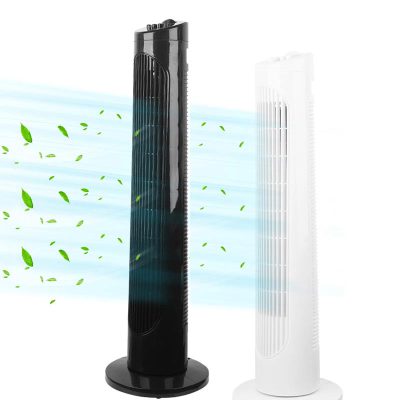
Tower Fans
Tower fans are one of the most popular choices for bedrooms.
Why they work well:
- Slim design saves floor space
- Quiet operation
- Even airflow distribution
- Often include timers and sleep modes
They are particularly suitable for smaller bedrooms or modern interiors.
Pedestal Fans
Pedestal fans are the classic adjustable standing fans found in many homes.
Advantages:
- Height adjustable
- Strong airflow
- Affordable
However, they can sometimes be slightly noisier than tower fans, especially at higher speeds.
Floor Fans
Floor fans are powerful and designed to move large volumes of air.
These are more commonly used in:
- Garages
- workshops
- large living spaces
For bedrooms, they can sometimes feel too powerful or too loud, although compact versions may still work well in warmer rooms.
Misting Fans
Misting fans release a light spray of water while blowing air.
They are usually intended for outdoor patios or gardens, where evaporative cooling is more effective.
For indoor bedroom use in the UK, misting fans are generally unnecessary and may even increase humidity.
Frequently Asked Questions
Do I really need an electric fan if I can just open the window?
Opening windows works well when outdoor temperatures drop at night. However, on warmer nights or during heatwaves, a fan can help circulate cooler air and prevent the room from feeling stuffy.
Is it safe to sleep with a fan on all night?
Yes, sleeping with a fan on overnight is generally safe. Many people even find the gentle airflow and white noise helpful for falling asleep. Choosing a fan with a timer or sleep mode can make overnight use more comfortable.
Where should a bedroom fan be placed?
For best airflow:
- Place the fan near an open window to pull cooler air inside
- Avoid pointing it directly at your face
- Allow enough space for air circulation
This helps maintain consistent airflow throughout the room.
A Simple Way to Stay Cool at Night
While the UK rarely experiences extreme summer heat, warm evenings can still make it difficult to sleep. Fortunately, a well-chosen electric fan can make a noticeable difference without the need for expensive cooling systems.
By focusing on quiet operation, appropriate fan size, gentle airflow, and practical features, you can easily find the best electric fan for bedroom comfort.
If you’re looking for reliable household cooling solutions, Home Pet Essentials offers a range of thoughtfully designed electric fans suitable for everyday home use. With practical features and bedroom-friendly designs, they provide a simple way to keep your space comfortable throughout the warmer months.