

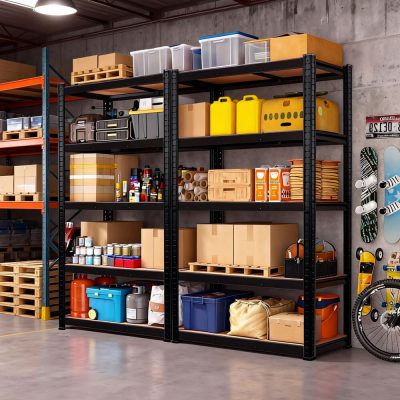
You’ve measured the space, cleared the corner, and decided it’s finally time to get organised. But now you’re stuck on a surprisingly tricky decision: should you choose metal shelving or plastic shelving?
It sounds simple at first. A shelf is a shelf, right? In reality, the material you choose can make a big difference — especially in a typical UK home where space is limited, garages can be damp, and sheds face cold winters and humid summers.
If you’re unsure which type of shelving is right for you, this guide will walk you through the real differences between metal and plastic shelving, where each works best, and how to make a decision you won’t regret six months down the line.
Why Material Matters More Than You Think
Shelving isn’t just about holding items. It’s about:
- Weight capacity
- Durability over time
- Resistance to moisture
- Stability on uneven floors
- Long-term value
In many British homes, shelving ends up in garages, utility rooms, lofts, garden sheds, or even under stairs. These environments aren’t always warm and dry. That’s why understanding the strengths and weaknesses of metal vs plastic shelving is essential before buying.
Metal Shelving: Strength and Structure
Metal shelving is often associated with garages, workshops, and utility spaces — and for good reason.
1. Superior Weight Capacity
One of the biggest advantages of metal shelving is strength. Most heavy-duty metal shelving units can hold significantly more weight than plastic alternatives. If you’re storing:
- Paint tins
- Tools
- Pet food sacks
- Bulk cleaning supplies
- Storage boxes filled with books
Metal shelves are generally the safer choice.
In UK households where bulk buying is common — especially from places like Costco or trade suppliers — strong shelving becomes essential.
2. Long-Term Durability
Good quality powder-coated steel shelving is built to last. It resists bending and warping under load. Over time, plastic shelves can bow slightly if weight is unevenly distributed, especially in warmer environments.
If you want something that feels solid and stable, metal shelving often provides that reassurance.
3. Stability on Garage Floors
Many UK garages have slightly uneven concrete floors. Metal shelving units usually come with adjustable feet, allowing better balance and reduced wobble.
That said, not all metal shelving is equal. Thin, budget steel can dent or rust if exposed to moisture without proper coating. When shopping for quality metal shelving, look for features such as powder-coated or galvanised finishes, which defend against rust and corrosion. Shelving with sturdy frame construction and reinforced joints will offer better long-term stability. It can also be helpful to check if the product meets relevant safety or durability certifications, giving you extra confidence that your new shelves will last.
4. Potential Downsides of Metal Shelving
Metal isn’t perfect.
- It can rust if the coating is poor and the environment is damp.
- It’s heavier to move once assembled.
- It can be noisier when placing items down.
In coastal areas of the UK, or in particularly damp sheds, untreated metal can suffer corrosion over time.
However, powder-coated or galvanised metal shelving significantly reduces this risk.
Plastic Shelving: Lightweight and Practical
Plastic shelving has become increasingly popular in recent years, especially for indoor use.
1. Lightweight and Easy to Move
Plastic shelves are easy to assemble and reposition. If you frequently rearrange your utility room or need flexible storage in a rented property, plastic can be convenient.
They’re also ideal for quick setup without tools, which appeals to many homeowners.
2. Moisture Resistance
Plastic doesn’t rust. In damp spaces like:
- Under-sink cupboards
- Utility rooms
- Greenhouses
- Bathrooms
Plastic shelving performs well.
If you live in a particularly humid part of the UK or have condensation issues in your shed, plastic may offer peace of mind.
3. Lower Weight Capacity
This is where plastic shelving has limitations.
Most plastic shelving units are designed for lighter storage:
- Cleaning supplies
- Laundry products
- Lightweight boxes
- Toys
- Craft materials
Heavy items can cause shelves to bow or flex over time. Even if the advertised weight limit seems adequate, real-life usage often tells a different story once shelves are loaded unevenly.
4. Stability Concerns
Plastic shelving can sometimes feel less stable, particularly on uneven garage floors. Lightweight construction means it can shift if not properly anchored. To improve stability, place plastic shelving on level surfaces wherever possible. Using simple anti-tip straps or brackets to secure the unit to a wall can help prevent accidental tipping, especially in homes with children or pets. For extra support, avoid overloading one side and distribute items evenly across the shelves.
For families with pets or young children, stability is an important consideration.
How UK Homes Influence the Decision
In the UK, we often deal with:
- Smaller living spaces
- Limited built-in storage
- Damp garages
- Cold winters affect material flexibility
These factors play a role in choosing between metal and plastic shelving.
If your storage area is cold in winter, plastic can become slightly brittle over time. Conversely, metal may feel cold and industrial indoors, but it provides reassurance for heavier storage needs.
Where Metal Shelving Works Best
Metal shelving is particularly suitable for:
Garages storing tools and hardware
Garden sheds holding compost and equipment
Utility rooms with heavy detergent containers
Pantries for bulk food storage
Pet supply storage
If strength and long-term durability are your priorities, metal shelving is typically the more reliable investment.
Where Plastic Shelving Makes Sense
Plastic shelving is often better for:
Bathrooms
Under-sink storage
Lightweight craft rooms
Temporary rental storage
Children’s playrooms
If you need something easy to assemble, move, and clean — and don’t plan to store heavy items — plastic shelving can do the job well.
Cost Considerations: Short-Term vs Long-Term
At first glance, plastic shelving is usually cheaper.
But consider this:
If a plastic shelf begins to bow or crack after two or three years under moderate load, you may end up replacing it.
Quality metal shelving may cost slightly more upfront, but it often lasts significantly longer — especially in high-use areas like garages.
When thinking long-term, durability often equals better value.
A Balanced Comparison
Choosing between metal and plastic shelving ultimately comes down to three main questions:
- What are you storing?
- Where will the shelving be placed?
- How long do you expect it to last?
If you’re storing heavy, bulky items in a garage or shed, metal shelving is usually the smarter choice.
If you’re organising lightweight household products in a dry indoor space, plastic shelving can be perfectly adequate.
For many UK households, a combination of both materials works best — metal in garages and sheds, plastic indoors for lighter use.
Safety and Stability Matter
Whichever material you choose, always:
- Check maximum weight ratings.
- Distribute weight evenly.
- Secure tall units to the wall if possible.
- Avoid overloading top shelves.
A stable shelving system isn’t just about organisation — it’s about safety.
Why Many UK Households Prefer Metal Shelving for Storage
In recent years, there’s been a noticeable shift towards metal shelving in garages and utility spaces across the UK. With rising energy bills and a trend toward bulk buying and stockpiling essentials, households are storing more than ever.
Metal shelving simply handles heavier loads with greater confidence.
Powder-coated steel units offer a balance between durability and resistance to rust, making them suitable for typical British garages that may not be fully insulated.
Making the Right Choice for Your Home
If you’re still undecided, consider this practical approach:
Choose plastic shelving if you value lightweight convenience and are storing lighter items indoors.
Choose metal shelving if you want strength, stability, and long-term reliability — particularly in garages, sheds, or utility rooms.
For most homeowners looking for dependable storage that won’t sag or shift over time, metal shelving often provides greater peace of mind.
Reliable Metal Shelving for Everyday UK Homes
If you’re leaning towards metal shelving and want something designed with UK households in mind, Home Pet Essentials offers durable metal shelving units suitable for garages, sheds, and utility spaces.
Built with strong steel frames and designed for practical everyday storage, their metal shelves provide the stability needed for heavier items — including pet supplies, bulk goods, and household essentials.
When storage matters, choosing the right shelving material can save you money, frustration, and future replacements.
Organising your space starts with the right foundation — and sometimes, strength makes all the difference.