

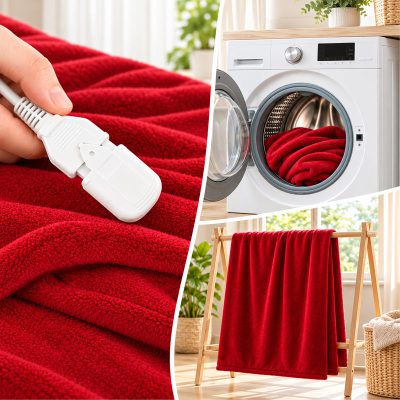
As the weather turns colder, an electric blanket can make getting into bed at night a lot more comfortable. If you are bringing yours out of the cupboard after several months in storage, though, it is worth giving it a little attention before switching it on. Even a blanket that looks clean may need checking, while one that has been used regularly might benefit from a proper wash.
The same applies if you have just bought a new electric blanket. Knowing how to look after it from the beginning can help keep it in good condition throughout the colder months.
The good news is that caring for an electric blanket does not have to be complicated. The important thing is to follow the instructions for your particular model and avoid anything that could damage its internal heating elements.
Can You Wash an Electric Blanket?
Some electric blankets can be machine-washed, while others require hand washing or surface cleaning only. The answer depends on the model, so check the care label and instruction manual before doing anything else.
Pay particular attention to whether the blanket is washable, whether its controller can be detached and which washing methods are permitted. Do not assume that a removable controller automatically means the blanket is suitable for machine washing.
If the instructions allow washing, you can usually clean the blanket at home without specialist equipment. If the label is missing or the instructions are unclear, contact the manufacturer rather than risking damage.
There is also no need to wash an electric blanket after every use. Regular airing and occasional cleaning, when permitted by the manufacturer, are generally more practical than frequent washing.
What to Do Before Cleaning
A few simple checks can help prevent damage before the blanket gets anywhere near water.
Switch off and unplug the blanket. Disconnect it from the mains and allow it to cool completely. Never clean it while it is connected to a power supply.
Remove the controller and detachable cables. Only remove components designed to come away from the blanket. Do not attempt to dismantle fixed electrical parts.
Inspect the fabric and wiring. Look for frayed edges, exposed wires, scorch marks, damaged connectors or areas where the fabric appears unusually worn. If you notice any of these problems, do not wash or use the blanket. Arrange a replacement if it is damaged beyond safe use.
Check the washing instructions. Confirm the permitted method, water temperature, detergent and drying procedure. These details vary between models, so the manufacturer’s guidance should take priority over general advice.
Once these checks are complete, you can choose the appropriate cleaning method.
How to Wash an Electric Blanket Properly
The right approach depends on what the manufacturer allows. Avoid vigorous scrubbing, twisting or stretching, as these actions can damage the internal wiring even when the outer fabric appears robust.
Machine Washing
If your electric blanket is explicitly labelled as machine-washable, follow the specified programme and temperature. Use a mild detergent and avoid bleach or other cleaning products unless the manufacturer confirms they are suitable.
Place the blanket in the machine carefully, without forcing it into a small drum. Select only the wash and spin settings permitted by the instructions. A gentle cycle may be appropriate for some models, but it should not be treated as a universal rule.
Do not add a machine-washing step simply because it seems convenient. If your blanket is not approved for machine washing, use another permitted method.
Hand Washing
For a model that allows hand washing, fill a clean basin or bath with water at the recommended temperature and add a small amount of suitable detergent.
Submerge the blanket gently and move it through the water without vigorous rubbing. Pay attention to lightly soiled areas, but do not scrub directly over heating elements or pull at the fabric.
Rinse according to the care instructions, then lift the blanket carefully to avoid putting unnecessary strain on its wiring. Never wring or twist it to remove excess water.
Spot Cleaning
For small marks or minor spills, spot cleaning may be all that is needed, provided the manufacturer permits it.
Unplug the blanket and use a soft cloth lightly dampened with an appropriate cleaning solution. Gently dab the affected area rather than soaking the fabric. Avoid getting moisture into connectors, controls or electrical components.
This method is useful for dealing with isolated marks without washing the entire blanket. However, it is not a substitute for the cleaning method specified in the manual.
How to Dry an Electric Blanket Safely
Drying deserves just as much attention as washing. Moisture trapped inside the fabric or around electrical components can make the blanket unsafe to use.
Follow the manufacturer’s instructions for drying. If air drying is permitted, spread the blanket out carefully in a well-ventilated area and allow it to dry naturally. Keep it away from direct heat sources and avoid hanging it in a way that places excessive strain on the internal wiring.
Do not use pegs or clips directly on areas containing heating elements. Avoid ironing the blanket, and do not put it in a tumble dryer unless the instructions specifically allow this method.
Most importantly, never switch the blanket on to speed up drying. Make sure it is completely dry before reconnecting the controller or using it again. If you are unsure whether it has dried fully, give it more time.
Everyday Habits That Help Your Electric Blanket Last Longer
Cleaning is only one part of looking after an electric blanket. How you use it, make the bed and store it between seasons can also affect its condition.
Keep It Flat and Properly Positioned
Follow the manufacturer’s guidance on where the blanket should sit. An underblanket is designed to go beneath the person using it, while an overblanket is intended to be used on top.
Keep the blanket as smooth as possible and avoid bunching, folding or trapping it under heavy objects while it is in use. Excessive pressure and repeated creasing can put unnecessary strain on the internal wiring.
When making the bed, take a moment to check that the blanket has not become twisted or caught beneath the mattress.
Use the Controls as Intended
Use the heat settings and timer according to the instruction manual. Some models are designed for pre-warming the bed and should be switched off before you go to sleep. Others have specific features that permit different patterns of use.
Do not assume that every electric blanket is suitable for overnight use. If yours has a timer or automatic shut-off function, make sure you understand how it works rather than relying on it without checking.
Keep Liquids and Other Heat Sources Away
Avoid placing hot water bottles on an electric blanket, even when the blanket is switched off. Spills can also damage the fabric or electrical components, so keep drinks and other liquids away from the bed where possible.
If the blanket becomes wet, disconnect it from the mains and follow the manufacturer’s advice before considering further use. Never reconnect it while damp.
Check Its Condition Regularly
Before using a blanket at the start of winter, inspect the fabric, cable, plug and controller. Look out for exposed wires, scorch marks, unusual smells, damaged connectors or signs of overheating.
Stop using the blanket if anything appears damaged or abnormal. Do not try to repair electrical components yourself unless you are qualified and the manufacturer specifically permits the repair.
Store It Carefully at the End of Winter
When the colder weather passes, clean the blanket if necessary and allow it to dry completely before putting it away.
Store it in a dry place, following the manufacturer’s instructions. If rolling or loose folding is permitted, avoid sharp creases and tight folds that could damage the heating elements. Do not place heavy items on top of it.
Keeping the blanket dry and free from unnecessary pressure makes it easier to bring out again when temperatures begin to fall.
When Should You Replace an Electric Blanket?
Even with careful maintenance, an electric blanket will not last indefinitely. Age, wear and the condition of its electrical components all matter.
UK fire safety guidance advises replacing electric blankets that are more than ten years old. You should also stop using one immediately if it has exposed wires, scorch marks, damaged cables, a faulty controller, unusual smells or signs of overheating, regardless of its age.
If you are bringing an old blanket out of storage and cannot establish its age or condition, do not rely on appearance alone to judge whether it is safe. Replacing a questionable blanket is a sensible precaution.
Getting Ready for a Cosy Winter
A little preparation before winter can make your electric blanket easier to use and help you spot problems before they become serious. Check the instructions, clean it only when permitted, dry it thoroughly and store it carefully between seasons.
Whether you are preparing a colder bedroom, making your evenings more comfortable or getting the house ready for winter, the right home essentials can make everyday life a little easier. Home Pet Essentials offers a range of home and pet products to help you get ready for the colder months.