

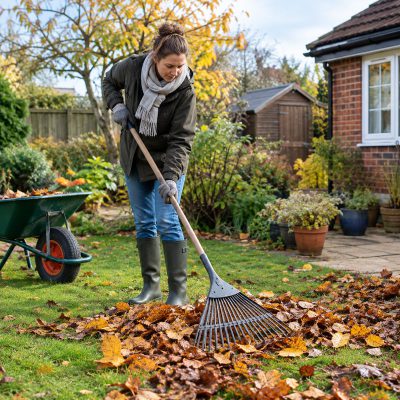
By October, the British garden starts to feel very different. The lawn stays damp well into the morning, fallen leaves gather on the patio almost as quickly as you clear them, and summer flowers begin to fade. There may still be a few mild afternoons ahead, but the window for getting outdoor jobs done comfortably is getting smaller.
For many households, this is the time to give the garden its last thorough tidy before winter. A little work now can prevent slippery paths, struggling grass and avoidable damage during colder, wetter weather. It also gives the garden a better starting point when plants begin growing again in spring.
But there is an important distinction to make. The last garden tidy of autumn is not simply a repeat of the regular pruning and maintenance carried out during summer. The priorities have changed, and knowing what to cut back, what to clear and what to leave alone can make all the difference.
How Autumn Garden Maintenance Differs from Summer
During June, July and August, garden maintenance is largely about managing active growth. Grass needs frequent mowing, hedges and borders can quickly lose their shape, and watering, deadheading and weeding help keep the garden looking its best.
By autumn, growth slows, and the weather becomes less predictable. The aim is no longer to keep everything looking freshly trimmed. Instead, attention shifts towards protecting the garden, managing fallen leaves, improving soil where appropriate and dealing with anything that could become a problem over winter.
Here are the main differences to bear in mind.
Lawn care becomes less frequent, not more severe. Summer grass may need cutting every week, depending on the weather and how quickly it grows. In autumn, mow only when necessary and leave the grass slightly longer for winter. Cutting it very short is not a useful way to prepare it for cold weather.
Tidiness matters most where it protects the garden. During summer, regular sweeping and trimming help maintain appearance. In autumn, clearing wet leaves from lawns, paths and drains becomes more important because accumulated debris can smother grass, create slippery surfaces and obstruct rainwater.
Pruning needs a lighter touch. Summer trimming often encourages fresh growth or keeps hedges in shape. In autumn, remove dead, damaged or diseased material, but do not automatically cut every perennial and shrub back to the ground. Some plants are better pruned in spring, and standing stems can provide shelter for wildlife.
Soil care is about preparation rather than forcing growth. Summer feeding and watering support active growth. Before winter, the emphasis is on maintaining healthy soil, adding suitable organic matter where useful and avoiding unnecessary work on saturated ground. A high-nitrogen lawn feed, for example, is not the right choice simply because the grass looks tired.
Weather and safety play a bigger part in deciding when to work. A job that is straightforward on a dry summer afternoon can become difficult when the ground is soft, daylight is fading, and surfaces are covered with wet leaves. Autumn maintenance often works best in stages, taking advantage of suitable weather rather than trying to finish everything in one day.
So, what should this final autumn tidy actually involve? Start with the jobs that protect the lawn and make the garden safer, then move on to borders, soil, vulnerable plants and equipment.
1. Give the Lawn Its Final Cut
For many gardeners, the last lawn cut of the year is one of the most important jobs to get right. Leave the grass too long, and it can become matted beneath wet leaves. Cut it too short, and you risk weakening the turf just as its growth begins to slow.
There is no single date for the final mow across the UK. In a mild, sheltered garden, grass may continue growing into November. In colder or more exposed areas, growth can slow much earlier. Let the lawn tell you when it needs cutting.
How short should you cut the grass?
For a typical domestic lawn, around 4–5 cm is a sensible final cutting height. Leave it a little longer in shaded areas or where the grass is already under stress.
A useful rule throughout the season is to remove no more than about one-third of the grass height in a single cut. If the lawn has become overgrown, reduce the height gradually rather than forcing it down to the desired level in one go.
Before mowing, clear away twigs and fallen leaves. Check that the mower blade is sharp enough to cut cleanly, and empty the collection box regularly so that thick clumps of clippings are not left on the grass.
Wait until the ground is firm
Autumn rain makes timing particularly important. Mowing saturated turf can leave deep wheel marks, compact the soil and tear the grass rather than cut it neatly.
If your shoes leave obvious impressions in the lawn, wait for a drier spell. The same principle applies to scarifying and aerating. These jobs can be useful when a lawn has a genuine thatch or compaction problem, but aggressive treatment late in the season can leave the grass exposed with little time to recover.
For a small lawn with compacted soil, a garden fork can help open up the surface. Push it into suitable soil to a depth of roughly 7–10 cm, then gently rock it to create small air channels. Avoid doing this when the ground is waterlogged or so hard that the fork cannot penetrate without excessive force.
If bare patches need reseeding, consider the local conditions. Seed may establish in a mild autumn while the soil is still warm, but late sowing becomes less reliable as temperatures fall and frost becomes more frequent.
The aim of the final mow is simple: leave the lawn at a healthy height, remove debris and avoid damaging the soil.
2. Clear Fallen Leaves from the Places That Matter
Fallen leaves are part of the autumn garden, but leaving them everywhere is not always harmless.
A thick, wet layer can block light from the grass and encourage it to deteriorate. Leaves compacted on paving, decking and steps become slippery, while debris covering drain covers can prevent rainwater from escaping freely.
Start with the lawn, patio, paths, steps and driveway. Pay particular attention to shaded corners where surfaces remain damp, and check the edges of the garden where wind tends to gather debris.
Is a leaf blower worth using?
For a larger garden, a leaf blower can save considerable time when moving dry leaves off lawns and paved areas. Work in manageable sections and direct the leaves into piles rather than blowing them randomly around the garden.
A garden rake or stiff outdoor broom is often better for wet leaves, which are heavier and tend to cling to the ground. Hand tools also give you more control around delicate plants, gravel and narrow borders.
There is no need to remove every last leaf from the garden. A modest amount of healthy leaf litter can provide shelter for insects and other wildlife, provided it is not smothering grass or blocking paths and drains.
Put suitable leaves to good use
Healthy fallen leaves can be collected and turned into leaf mould. Place them in a suitable enclosure or ventilated bag, keep them slightly moist and allow them time to break down. Depending on the type of leaf and the conditions, this can take a year or two.
The finished material can be used to improve soil structure or help retain moisture. Tougher leaves, such as oak and beech, generally take longer to break down.
Avoid adding diseased leaves to leaf mould, and do not leave large piles of wet leaves against plant crowns or the bases of shrubs.
3. Tidy Garden Borders Without Cutting Everything Back
Once the lawn and hard surfaces are clear, walk around the borders and look for work that genuinely needs doing.
Remove dead or broken stems, fallen branches and clearly diseased material. Pull out weeds before they establish further or set seed, and use a hand fork where necessary to remove roots without disturbing nearby plants.
For small stems, clean, sharp secateurs will usually do the job. Thicker branches may require loppers or a pruning saw. Using the right tool makes cleaner cuts and reduces the temptation to force equipment beyond its intended capacity.
Which plants should you prune?
This is where restraint matters. Not every shrub benefits from an autumn cut, and pruning at the wrong time can remove next year’s flower buds. If you are unsure about a particular plant, check its pruning requirements before cutting.
Some herbaceous perennials can be cut back in autumn, but others are better left until late winter or early spring. Healthy stems and seed heads can add structure to the winter garden and provide shelter or food for wildlife.
Concentrate on removing what is damaged, unhealthy or likely to cause trouble during bad weather. A border does not have to look completely bare to be well maintained.
Check plant supports and garden structures
Strong winds can cause problems long before a hard frost arrives. Check that climbing plants are securely attached to their supports, replace ties that have become too tight and remove loose stakes or damaged trellis panels.
It is also worth checking fences, gates and lightweight garden furniture. Secure anything that could move in strong winds, and deal with minor repairs before wet weather makes the work more difficult.
4. Prepare the Soil for the Months Ahead
Autumn is a good opportunity to improve the soil, but that does not mean every border needs fertiliser or a thorough digging over.
For established ornamental borders, a layer of well-rotted garden compost can be more useful than a general-purpose feed. Spread it over the surface, keeping it away from plant crowns and woody stems. There is usually no need to dig it deeply into an established bed.
Should you apply fertiliser before winter?
It depends on what you are feeding.
For lawns, avoid using a high-nitrogen summer fertiliser late in the season, as it encourages leafy growth when the grass is slowing down. If your lawn needs feeding, choose a product specifically intended for autumn use and follow the label instructions. A healthy lawn may not need an additional feed at all.
For borders, compost and suitable mulch can help maintain soil structure and moisture levels. A layer of organic mulch around 5 cm deep is often appropriate for established beds, although the correct depth depends on the material and the plants involved.
Keep mulch clear of plant crowns and the bases of trees and shrubs. Piling it against stems can encourage rot rather than protect the plant.
Is it necessary to dig over the garden?
Not usually. Turning over every border at the end of autumn can disturb established roots, expose soil to erosion and damage its structure, particularly when it is wet.
If the ground is heavy and saturated, leave it alone until conditions improve. For many established beds, applying compost or mulch to the surface is enough.
The goal is to improve the conditions in which plants will grow next year, not to force the garden into a state of activity when growth is naturally slowing.
5. Protect Pots and Vulnerable Plants
Container plants deserve a quick check before the weather turns colder. Their roots are more exposed to temperature changes than those of plants growing directly in the ground, and pots can remain waterlogged during prolonged rain.
Check that drainage holes are clear and raise containers slightly on suitable pot feet if they are sitting in water. Terracotta pots can be vulnerable to frost damage when they have absorbed water, so move or protect them where appropriate.
Tender plants may need to be brought into a greenhouse or another suitable sheltered space before hard frosts arrive. The right treatment varies by plant, so check individual requirements rather than moving everything indoors unnecessarily.
Do not stop watering simply because summer has ended. Containers beneath roof overhangs or in sheltered positions may still dry out during a mild, windy spell. Check the compost before watering and avoid keeping it permanently saturated.
Newly planted trees, shrubs and perennials may also benefit from suitable mulching, particularly if their root systems are not yet fully established.
6. Clear Drains and Prepare Outdoor Equipment
Some of the most useful autumn jobs are easy to overlook because they do not make the garden look much different.
Leaves and small branches can accumulate around drain covers, in gullies and along the edges of paving. Clear accessible blockages and check that water can drain away freely, especially before periods of heavy rain.
If trees overhang the house, gutters may need checking more than once during autumn. Only tackle low-level work that you can do safely. Ladders should be placed on firm, level ground, and you should never overreach. For high or awkward gutters, professional help is the safer option.
A suitable foldable and extendable aluminium step ladder can be useful for appropriate low-level garden tasks, provided it is used within its rated limits and in accordance with the manufacturer’s instructions. It is not a substitute for equipment designed for working at roof height.
Outdoor taps, hoses and irrigation equipment also need attention. Disconnect and drain hoses where freezing weather could cause damage, and protect exposed pipework as necessary.
Before putting garden tools away, remove soil and plant residue, dry metal surfaces thoroughly and check secateurs and loppers for blunt or damaged blades. Clean, sharp tools are easier to use and make cleaner cuts when the next growing season begins.
For powered equipment, follow the manufacturer’s cleaning and storage guidance. Switch off and safely isolate the equipment before maintenance, and store batteries and fuel-powered tools as directed.
7. Common Autumn Gardening Mistakes to Avoid
A successful autumn tidy is not about doing every job as thoroughly as possible. It is about doing the right work at the right time.
Cutting the lawn too short. A very short final mow can weaken the grass. Keep it at a sensible height rather than trying to recreate a summer finish.
Working on waterlogged ground. Mowing, digging or aerating saturated soil can cause compaction and leave lasting damage. Wait for a suitable spell of weather.
Blowing leaves into the borders and forgetting about them. A small amount of leaf litter can be beneficial, but thick, wet piles can smother plants and create problems around paths and drainage points.
Pruning every shrub and perennial. Some plants should be left until spring. Check their requirements before cutting, and retain healthy stems where they provide useful winter structure or wildlife shelter.
Applying the wrong fertiliser. A summer lawn feed is not automatically suitable for autumn. Choose products for the season and follow the instructions rather than feeding everything by habit.
Assuming rainfall takes care of every plant. Pots and sheltered containers can still become dry, while others remain waterlogged. Check the compost before watering.
Leaving tools outside. Persistent damp can cause rust and shorten the life of garden equipment. Clean, dry and store tools properly before winter.
8. A Sensible Order for Your Final Garden Tidy
If the garden needs attention in several places, it is easier to work through it in stages rather than trying to finish everything in one afternoon.
Begin with a quick walk around the garden. Identify slippery paths, heavy leaf build-up, blocked drains, damaged branches and anything that might become unsafe in strong winds.
Clear the lawn and hard surfaces first, then mow once the grass is dry and the ground is firm. Move on to the borders, removing damaged material and weeds while leaving healthy plants that do not need autumn pruning.
Next, deal with soil improvement, mulch and vulnerable containers. Finish by checking drains, outdoor taps and garden equipment.
You do not have to complete every task on the same day. If the ground is too wet for mowing or the weather is unsuitable for pruning, leave that job until conditions improve. A few well-chosen sessions are often more effective than rushing through the whole garden in poor weather.
Give Your Garden a Better Start Next Spring
The last autumn tidy is not about stripping the garden bare or keeping every corner looking immaculate. It is about protecting the lawn, clearing the places where leaves cause problems, maintaining healthy borders and preparing the soil and equipment for the colder months.
A little restraint is just as important as a good pair of secateurs. Remove what is damaged, protect what is vulnerable and leave alone what can safely remain until spring.
If you are preparing for your own autumn garden tidy, Home Pet Essentials offers practical equipment for outdoor maintenance, including Grass Strimmers for tidying lawn edges and Leaf Blowers for clearing fallen leaves. A Foldable & Extendable Aluminium Step Ladder can also be useful for suitable low-level tasks around the garden and home.
With the essential jobs taken care of before winter arrives, you can leave the garden to rest without worrying that a few preventable problems will be waiting for you when spring comes around.