

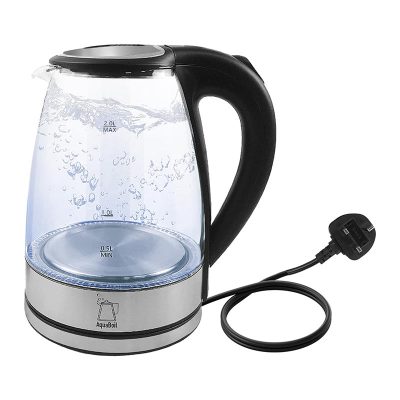
There are some household appliances you barely think about until something changes. The kettle is probably at the top of that list.
One morning, it boils a full kettle in a couple of minutes, and before you know it, you’re standing in the kitchen wondering why your tea still isn’t ready. At first, it’s easy to blame the appliance itself. After all, kettles don’t last forever. But in many cases, a slow-boiling kettle isn’t actually reaching the end of its life. It’s reacting to something that’s changed over time.
In the UK, where the kettle is one of the hardest-working appliances in the home, it’s not unusual for performance to gradually decline. Hard water, daily use, poor cleaning habits and even the amount of water you boil each time can all affect how efficiently it works.
I noticed this myself a few years ago. I was convinced our kettle was on its last legs because it seemed to take forever to boil. I started looking at replacements before deciding to give it a thorough descale. The difference was immediate. It wasn’t quite like having a brand-new kettle again, but it was close enough that it stayed in service for another couple of years.
If your kettle has become noticeably slower, here are the most common reasons why, along with practical ways to improve its performance and help it last longer.
Limescale Is Usually the Biggest Culprit
If you live in much of southern or eastern England, you’ve probably become familiar with limescale, whether you like it or not.
Hard water contains naturally occurring minerals, mainly calcium and magnesium. Every time water is heated, tiny amounts of these minerals are left behind inside the kettle. Over weeks and months, they gradually build into a hard, chalky layer.
This layer acts like insulation.
Instead of heat transferring efficiently from the heating element into the water, part of that heat is absorbed by the limescale itself. The kettle therefore has to work harder and for longer before the water reaches boiling point.
You might notice:
- Longer boiling times
- More noise during heating
- White flakes floating in water
- A rough white coating inside the kettle
Even a relatively thin layer of scale can noticeably affect performance.
The easiest solution
Regular descaling is one of the simplest ways to restore efficiency.
Most manufacturers recommend descaling every one to three months, although households in hard water areas may benefit from doing it more often.
You can use:
- A dedicated kettle descaler
- White vinegar diluted with water
- Citric acid solution
After descaling, rinse the kettle thoroughly several times before using it again.
You’re Boiling More Water Than You Actually Need
It’s surprisingly common.
Many of us fill the kettle almost without thinking, even when we’re only making one cup of tea.
The more water inside the kettle, the longer it naturally takes to boil.
If you’re repeatedly boiling one and a half litres when you only need 300 millilitres, every brew takes longer while also using more electricity.
Over the course of a year, those extra minutes and extra energy can add up.
A simple habit change makes a noticeable difference.
Fill the kettle with only the amount you’ll actually use.
Most kettles include minimum and maximum fill markings for exactly this reason.
Limescale Doesn’t Just Slow Heating
Many people think of limescale as purely a heating problem.
It can also affect the kettle’s sensors.
Modern electric kettles switch off automatically using a steam sensor.
Heavy scale around the lid or steam channel can interfere with how efficiently steam reaches that sensor.
This sometimes leads to kettles continuing to boil longer than necessary before switching off.
If you’ve noticed your kettle bubbling away for longer than it used to, accumulated scale could be contributing to the problem.
Your Kettle May Simply Be Showing Its Age
Like any electrical appliance, kettles wear out over time.
Heating elements slowly become less efficient after years of daily use.
Electrical connections can also deteriorate naturally.
Most quality kettles last somewhere between five and ten years, depending on usage, water quality and maintenance.
Signs that age may be affecting performance include:
- Slower boiling even after descaling
- Louder operation
- Inconsistent heating
- Automatic shut-off is becoming unreliable
While cleaning can improve performance, it can’t reverse normal component wear forever.
Poor Contact Between the Kettle and Base
Cordless kettles rely on electrical contacts located underneath the kettle and on the base.
Dust, grease or mineral deposits can reduce the quality of that connection.
Although this isn’t among the most common causes of slower boiling, it’s worth checking.
Always unplug the base before cleaning.
Use a dry, soft cloth to gently wipe the contacts.
Never use excessive water or metal tools.
Low Voltage Can Occasionally Play a Part
In most UK homes, the electricity supply is stable enough that you’ll never notice a difference.
However, during periods of unusually high household demand, particularly if several high-powered appliances are running simultaneously, heating performance may feel slightly slower.
For example:
- Washing machine
- Tumble dryer
- Electric oven
- Portable heater
- Kettle
The effect is usually small and temporary.
If your kettle consistently boils slowly regardless of when you use it, the cause is almost certainly elsewhere.
The Way You Use Your Kettle Matters More Than You Think
Small habits make a surprising difference over time.
Many people repeatedly boil the same water throughout the day.
Others leave water sitting in the kettle overnight.
Neither habit is particularly harmful, but fresh water generally boils more efficiently and reduces mineral concentration inside the kettle.
It’s also worth emptying any remaining water after the final use of the day rather than allowing minerals to continue settling overnight.
A Quick Cleaning Routine Makes a Big Difference
One reason kettles gradually become slower is simply that they rarely receive any attention.
Fortunately, maintenance doesn’t take long.
Weekly
Wipe the outside using a damp cloth.
Check around the lid for scale.
Monthly
Inspect the inside for mineral deposits.
Clean the filter if your kettle has a removable one.
Every one to three months
Carry out a full descale.
Rinse thoroughly afterwards.
These small routines often help maintain faster boiling times while extending the appliance’s lifespan.
Simple Habits That Help Your Kettle Last Longer
A kettle doesn’t need much maintenance, but a few sensible habits can help keep it working efficiently for years.
Avoid constantly overfilling
Heating unnecessary water increases wear and wastes electricity.
Don’t repeatedly reboil old water
Fresh water contains more oxygen and usually produces better-tasting tea and coffee.
Keep the lid closed while boiling
An open or poorly closed lid allows more heat to escape.
Descale before heavy build-up develops
Removing thin deposits is much easier than tackling thick layers months later.
Store the kettle somewhere dry
Although kettles are designed for kitchens, avoiding excessive moisture around electrical components is always sensible.
When You Should Stop Using the Kettle Immediately
Not every problem should be solved at home.
Certain faults require professional assessment or complete replacement.
Stop using the kettle immediately if you notice any of the following.
Water is leaking from the base
Water and electricity are an unsafe combination.
Even a small leak should not be ignored.
A damaged power cord
Never attempt to repair or tape over damaged electrical cables.
Replace the kettle or contact the manufacturer if replacement parts are available.
Burning smells
A persistent burning smell may indicate internal electrical failure.
Disconnect the kettle immediately.
Sparks or visible electrical damage
Do not continue testing the appliance.
Unplug it safely and replace it.
The kettle repeatedly trips your fuse box
This could indicate a serious electrical fault.
Avoid using the appliance until it has been professionally inspected.
Never Attempt These Repairs Yourself
With online tutorials covering almost everything these days, it can be tempting to investigate electrical appliances yourself.
A kettle isn’t one of them.
Avoid:
- Opening the kettle housing
- Repairing internal wiring
- Replacing heating elements yourself
- Using damaged electrical parts
- Operating the kettle after water has entered the electrical components
Even after unplugging the appliance, internal components may still present electrical risks.
When electrical faults are suspected, replacement is often the safest and most economical option.
Choosing the Right Water Can Help
If you live in a particularly hard water area, using filtered water can reduce future scale build-up.
This won’t eliminate limescale, but it often slows accumulation considerably.
Many households also notice:
- Cleaner-tasting drinks
- Less visible residue
- Longer periods between descaling
It’s a small change that can make ongoing maintenance much easier.
Frequently Asked Questions
Why is my kettle louder than it used to be?
Limescale is the most common reason. Mineral deposits create tiny rough surfaces where bubbles form more aggressively during heating, making the kettle noticeably noisier.
Is it safe to leave water sitting in the kettle overnight?
Generally, yes, but fresh water is preferable. Standing water allows minerals to settle and may contribute to faster limescale build-up over time.
How often should I descale my kettle?
For most UK households, every one to three months is a sensible starting point.
If you live in a hard water area, monthly descaling often produces the best results.
Does boiling filtered water stop limescale completely?
No.
Filtration reduces some minerals but won’t remove every trace of calcium and magnesium.
Regular descaling is still recommended.
Why does my kettle switch off before the water boils?
Possible causes include:
- A faulty thermostat
- Steam sensor problems
- Heavy limescale affecting the steam channel
If descaling doesn’t solve the issue, the appliance may need replacing.
Is it worth repairing an old kettle?
For simple issues such as limescale, absolutely.
For electrical faults or heating element failures, replacement is usually safer and often more cost-effective.
A Little Maintenance Goes a Long Way
A kettle gradually slowing down is something almost every household experiences eventually. Fortunately, it rarely happens overnight, and in many cases, the cause is something straightforward rather than a major fault.
Regular descaling, sensible daily habits and keeping an eye on early signs of wear can all help your kettle boil faster, use less electricity and last considerably longer. Those small maintenance jobs take only a few minutes but can save both time and money over the life of the appliance.
If the appliance starts showing signs of electrical damage, leaking or other safety concerns, it’s always better to stop using it than to risk a DIY repair.
For anyone looking to make everyday life at home a little easier, reliable kitchen appliances and practical household essentials can make all the difference. Home Pet Essentials is a UK retailer focused on improving everyday home living, offering carefully selected products designed to bring convenience, comfort and dependable performance to modern households.