

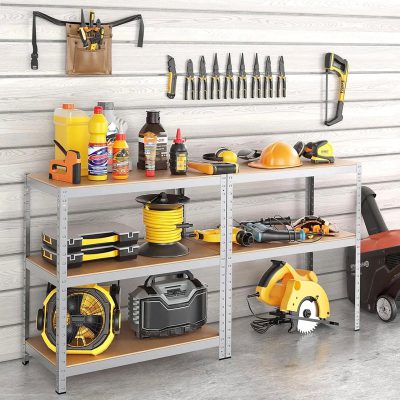
There is a point in almost every busy household when the utility room quietly becomes the most chaotic space in the house.
It usually starts small. A few cleaning products get pushed into the corner. A toolbox ends up under the sink. The dog food bag gets left beside the washing machine because there is nowhere else to put it. Then winter arrives, muddy boots pile up near the door, reusable shopping bags multiply overnight, and suddenly the room becomes a dumping ground for absolutely everything nobody knows where to store.
The frustrating part is not just how untidy it looks. It is how much daily stress it creates.
You cannot find the screwdriver when you need it. The washing powder disappears behind random boxes. A simple task like grabbing the vacuum charger somehow turns into a ten-minute search mission. And because everything is scattered around the floor or stacked awkwardly against walls, the whole room feels smaller than it actually is.
This is one of the main reasons why utility room organisation has become such a big focus in UK homes over the past few years.
People are not just trying to make the room look nicer for social media photos. They are trying to make everyday life run more smoothly.
Why Utility Rooms Matter So Much in British Homes
In many UK households, the utility room is doing the work of three or four separate spaces.
Unlike larger homes in some countries, British properties often have limited storage areas. Even newer homes can feel short on practical storage once children, pets, hobbies and seasonal items enter the picture.
The utility room ends up carrying the pressure.
It becomes the laundry zone, cleaning cupboard, pet station, mini pantry, shoe storage area, recycling point and sometimes even the tool room all at once.
Then there is the British weather.
Rain, damp air and muddy gardens mean families constantly deal with wet coats, boots, umbrellas, dog towels and outdoor equipment. During autumn and winter especially, things seem to enter the house faster than they can be organised.
That is why so many homeowners now search for practical storage solutions rather than decorative ones. They want systems that can genuinely handle daily life without falling apart after a few months.
Metal shelving has become one of the most popular choices because it solves several problems at the same time.
It creates vertical storage, clears floor space, supports heavier items and makes awkward utility rooms feel more structured almost immediately.
Why Boltless Metal Shelving Works So Well
A lot of people still imagine industrial shelving as something cold, bulky or only suitable for warehouses. In reality, modern boltless metal shelving fits surprisingly well into family homes, garages and utility spaces.
The biggest advantage is flexibility.
Boltless shelves are designed to slot together without complicated fixings, which means most people can assemble them quickly with basic tools or sometimes no tools at all. In many cases, they are stable enough to use without needing to fix them to the wall, although for safety, especially in homes with small children or pets, it is recommended to secure them if possible. This also makes boltless shelving a practical choice for renters who want flexible storage without risking damage to walls. That makes them ideal for households where storage needs constantly change.
One month you are storing camping gear and DIY tools. The next month the shelves are holding pet supplies, bulk laundry products and Christmas decorations.
The adjustable shelf heights also make a huge difference.
Traditional cupboards often waste vertical space because the shelves are fixed. With metal shelving, you can adapt the layout depending on what you actually need to store. Tall detergent bottles, folded blankets, storage boxes and power tools can all fit comfortably without awkward stacking.
Another reason people like heavy-duty metal shelving is reliability.
Anyone who has experienced flimsy plastic shelves bowing in the middle after a few weeks will understand the difference immediately. Strong steel shelving handles weight far better, especially in busy utility rooms where people tend to store bulkier household items.
And honestly, there is something mentally calming about having everything visible and accessible.
No more mystery boxes shoved into dark corners.
No more balancing paint tins on top of random cardboard cartons.
Everything has a proper place.
Simple Utility Room Storage Setups That Actually Work
One of the biggest mistakes people make when organising a utility room is trying to overcomplicate it.
You do not need a Pinterest-perfect renovation or expensive fitted cabinetry to create a practical space. Often, a few well-positioned metal shelving units can completely change how the room functions.
The Everyday Family Setup
This works especially well in medium-sized utility rooms.
Place one tall metal shelving unit beside the washing machine and divide each shelf by category.
Top shelf:
Lightweight backup items such as spare toilet rolls, kitchen towels or seasonal cleaning cloths.
Middle shelves:
Daily essentials like detergents, fabric softener, dishwasher tablets and pet care products.
Lower shelves:
Heavier bulk storage including bottled water, large pet food bags or cleaning refills.
Keeping heavier items lower not only protects the shelves over time but also makes the room safer and easier to use.
The Garage-Utility Combination
A lot of UK homes now use garages as mixed-purpose spaces.
Half workshop, half storage room, half laundry overflow. Somehow garages always become three rooms at once.
This setup benefits from combining multiple metal shelves together along one wall.
One section can hold DIY tools and hardware organised in labelled storage boxes.
Another section can store gardening equipment, extension leads and paint supplies.
A separate shelving unit can then be dedicated to household overflow such as cleaning products, reusable bags or emergency supplies.
Creating zones is what stops the entire room descending into chaos again after two weeks.
Without zones, everything slowly piles up.
The Narrow Utility Room Layout
Small utility rooms are incredibly common in Britain, especially in terraced homes.
In these spaces, vertical storage becomes essential.
Instead of wide shelving, slimmer boltless metal shelves can run upward rather than outward. Tall shelving units instantly free up walking space and stop items from collecting on the floor.
Many people are surprised by how much larger the room feels once the floor is visible again.
It sounds simple, but visually clear floor space changes how we experience a room psychologically. Even a compact utility room can feel calmer and more manageable when clutter is lifted upwards.
Storage Habits That Keep Shelves Organised Long-Term
The hardest part is usually not organising the room initially.
It is keeping it organised six months later.
That is where small habits matter more than expensive products.
Use Clear Storage Bins
Open shelving works best when items are grouped together properly.
Clear storage containers stop shelves from looking messy while still letting you see what is inside. They are especially useful for smaller utility items that otherwise disappear into clutter.
Things like:
- batteries
- light bulbs
- screws
- cleaning cloths
- pet accessories
- charging cables
all become far easier to manage once contained.
Avoid the “Temporary Pile”
Every utility room has one dangerous area.
The temporary pile.
It starts with one item that gets left “just for now”, then gradually becomes a mountain of random objects nobody wants to deal with.
The easiest way to prevent this is by leaving one shelf partially empty on purpose. This creates breathing space for incoming items instead of forcing everything onto the floor.
Do a Five-Minute Reset Weekly
This genuinely makes a huge difference.
Once a week, spend five minutes putting things back where they belong. Not a deep clean. Just a quick reset.
Most clutter problems come from delayed maintenance rather than major messes.
Small resets stop disorder from building momentum.
Tips for Making Metal Shelves Last Longer
Good quality metal shelving can last for years, but a few habits help extend its lifespan even further.
Distribute Weight Properly
Heavy items should always sit on lower shelves.
Not only does this reduce strain on the frame, but it also improves stability overall.
People often overload top shelves because they are less convenient to access daily. Over time, that uneven pressure can weaken the structure.
Keep Damp Items Off Direct Contact
Utility rooms in Britain can become surprisingly humid, especially during winter.
Wet boots, damp towels and freshly washed items should not sit directly on metal shelving for extended periods. Using trays, mats or baskets helps protect both the shelving and the stored items.
Check Shelf Connectors Occasionally
Boltless shelving is designed for easy assembly, but regular use can sometimes loosen parts slightly over time.
A quick stability check every few months keeps everything secure and prevents wobbling.
Do Not Waste Vertical Space
One common mistake is leaving huge empty gaps between shelves.
Adjust the shelf heights according to what you actually store. This simple change often creates room for an extra shelf level without needing additional units.
Why Organised Utility Rooms Feel So Different
There is a reason people feel oddly satisfied after organising a utility room properly.
It is not just about aesthetics.
A well-organised storage space quietly removes friction from daily routines.
You stop wasting time searching for things.
You stop buying duplicates because items disappeared into clutter.
You stop feeling annoyed every time you walk into the room.
And perhaps most importantly, the whole house starts feeling more spacious because hidden clutter is finally under control.
That is why utility room organisation has become such a popular topic across UK homes recently. Families are looking for practical systems that work in real life, not just perfectly staged interiors.
Metal shelving happens to fit that need extremely well because it is adaptable, durable and surprisingly easy to customise around changing household routines.
For households with pets, the benefits become even more noticeable. Dedicated shelving for pet food, grooming products, leads, towels and cleaning supplies helps keep the space cleaner and easier to manage every day. Many families now combine utility room shelving with smart pet organisation products from brands like Home Pet Essentials to create storage systems that feel genuinely functional instead of improvised.
A utility room may never become the most glamorous space in the house. But when it is organised properly, it often becomes one of the most useful.