

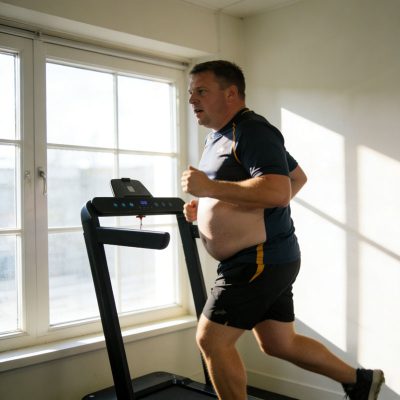
When someone mentions buying a treadmill, one question comes up again and again—sometimes said out loud, sometimes just sitting in the back of the mind:
“Is it actually going to help me lose belly fat?”
It’s a fair concern. After all, treadmills aren’t exactly cheap, and no one wants to invest in a piece of equipment that ends up becoming an expensive clothes hanger.
Let’s get straight to it:
Yes, a treadmill can absolutely help reduce belly fat.
But—and this is the important part—it doesn’t work in the way many people expect.
Why People Think Running Doesn’t Burn Belly Fat
There’s a common belief that you can “target” fat loss—do more crunches for abs, more running for belly fat, and so on. Unfortunately, that’s not how the body works.
Fat loss is systemic, not local.
When you use a treadmill—whether walking, jogging, or running—you’re burning calories. Over time, if you burn more calories than you consume, your body starts tapping into fat stores for energy. And yes, that includes belly fat.
The catch?
Your body decides where the fat comes off first. For many people, the stomach is one of the last areas to lean out.
So if you’ve tried running before and didn’t see immediate changes in your midsection, it doesn’t mean it wasn’t working—it just means your body was doing things in its own order.
How a Treadmill Actually Helps Burn Belly Fat
Think of treadmill workouts as a fat-loss engine, not a “belly-only solution.”
Here’s what’s happening behind the scenes:
1. Calorie Burn Adds Up Fast
Even a brisk 30-minute walk can burn 150–250 calories, while running can easily push that to 300–500+, depending on intensity.
2. Boosted Metabolism
Regular treadmill workouts improve your metabolic rate, meaning you burn more calories even when you’re not exercising.
3. Reduced Visceral Fat
This is key. Treadmill cardio is especially effective at reducing visceral fat—the deeper, more dangerous fat around your organs (often linked to belly size).
4. Hormonal Balance
Exercise helps regulate insulin and cortisol levels—two hormones heavily linked to fat storage around the abdomen.
The Right Way to Lose Fat by Using a Treadmill (Based on Age & Fitness Level)
Not all treadmill routines are created equal. What works for a 25-year-old might not suit someone in their 50s—or someone just starting.
Let’s break it down.
In Your 20s–30s: Build Habits & Push Intensity
This is the best time to build a strong fitness foundation.
Recommended Plan:
- 3–5 sessions per week
- Mix of:
- Steady jogging (20–30 minutes)
- Interval training (HIIT): 30 sec sprint + 1 min walk (repeat 10–15 times)
Why it works:
Your recovery is faster, and your body responds quickly to higher intensity workouts. HIIT is especially effective for fat loss.
In Your 40s–50s: Smart, Consistent Training
At this stage, consistency matters more than intensity.
Recommended Plan:
- 4–5 sessions per week
- Brisk walking or light jogging (30–45 minutes)
- Add incline walking (5–8%) for better calorie burn without joint strain
Why it works:
Incline walking activates more muscle groups and burns more calories—without the impact of running.
60+ or Beginners: Low Impact, High Consistency
If you’re new to exercise or returning after a long break, start simple.
Recommended Plan:
- 5–6 days per week
- 20–30 minutes of walking
- Gradually increase speed or incline over time
Why it works:
Consistency beats intensity here. Even moderate daily movement can significantly reduce body fat over time.
For People with Higher Body Weight
Running may feel uncomfortable at first—and that’s completely normal.
Better approach:
- Start with walking (flat or slight incline)
- Aim for longer sessions (40–60 minutes)
- Focus on calorie burn rather than speed
This approach is joint-friendly and highly effective.
Extra Benefits of Using a Treadmill
Even if belly fat is your main goal, you’ll notice a range of other benefits:
Improved Cardiovascular Health
Stronger heart, better circulation, lower risk of disease.
Better Mental Health
Running or walking releases endorphins—your natural mood boosters.
Convenience & Consistency
No weather excuses. Rain, cold, dark evenings—none of it matters.
Safer Environment
No traffic, uneven surfaces, or safety concerns.
Supports Better Sleep
Regular cardio is linked to improved sleep quality.
What’s Happening in the UK Right Now?
Treadmills are becoming increasingly popular across the UK, especially with:
- The rise of home workouts
- Busy lifestyles limit gym time
- More awareness around mental health and daily movement
In fact, more people are shifting toward “micro workouts”—short, consistent treadmill sessions throughout the day instead of long gym visits.
And interestingly, walking pads and compact treadmills are trending fast, especially among people working from home.
Common Beginner Mistakes
“I run every day, but my belly fat isn’t going away. Why?”
You’re probably missing one of two things:
- A calorie deficit (diet matters more than you think)
- Variety in your workouts (your body adapts quickly)
→ Try adding incline or interval training.
“Should I run faster to lose belly fat quicker?”
Not necessarily.
→ Fat loss is about total calorie burn, not just speed.
A longer brisk walk can sometimes burn more fat than a short, intense run.
“Do I need to sweat a lot for it to work?”
No.
Sweat is not a reliable indicator of fat loss—it’s just your body cooling down.
→ Focus on consistency, not sweat levels.
So… Is a Treadmill Worth It?
If your goal is to reduce belly fat, improve your health, and stay consistent, then yes, a treadmill is one of the most practical and effective tools you can have at home.
It’s not magic.
It won’t “target” your belly overnight.
But used correctly, it absolutely works.
And perhaps more importantly, it helps you build a routine you can stick to.
A Small but Important Perspective
At the end of the day, fitness isn’t just about looking better—it’s about feeling better, moving better, and living better.
That’s why brands like Home Pet Essentials don’t just focus on products—they focus on creating a comfortable home environment while supporting your physical and mental well-being.
Because a healthier life doesn’t always start in the gym.
Sometimes, it starts right at home—with one simple step… on a treadmill.