

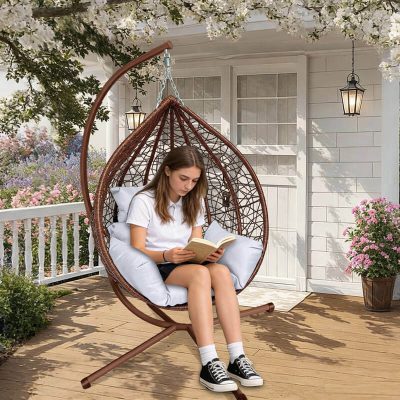
Egg chairs have quickly become one of the most recognisable pieces of modern garden furniture across the UK. Whether positioned on a patio, nestled into a landscaped garden corner, or styled on a balcony, they offer an inviting place to relax with a book, enjoy morning coffee, or unwind after a long day. Their sculptural design and cocoon-like comfort make them particularly appealing to homeowners looking to enhance both comfort and aesthetics outdoors.
However, one of the most common questions British homeowners ask before buying or styling these chairs is whether they can remain outside throughout the year. The UK’s weather is famously unpredictable, with rain showers, damp winters, occasional heatwaves, and strong coastal winds all playing a role in outdoor furniture durability. Understanding how egg chairs perform in these conditions — and how to protect them properly — can make a significant difference to their lifespan and comfort.
Understanding the Challenges of UK Weather Conditions
Outdoor furniture in Britain faces a unique combination of environmental factors. While extreme temperatures are relatively rare, consistent moisture and fluctuating conditions create long-term wear that can affect materials and structural integrity.
Frequent rainfall is one of the biggest concerns. Even in summer, sudden showers are common, meaning garden furniture is often exposed to dampness without much warning. High humidity levels, particularly during autumn and winter, can also encourage mould growth and gradual material deterioration if furniture is left unprotected.
Sun exposure is another factor that is often underestimated. Although the UK is not known for prolonged heat, UV rays can still fade fabrics and weaken synthetic materials over time, especially during long daylight periods in late spring and summer. Coastal regions introduce additional challenges, as salty air can accelerate corrosion on metal frames.
Because of these conditions, egg chairs designed for outdoor use must combine weather-resistant materials with practical maintenance habits.
How Material Choice Affects Outdoor Durability
When selecting egg chairs suitable for outdoor placement in the UK, material construction plays a critical role in determining how well the chair can withstand the elements.
Weather-Resistant Weaving Materials
Synthetic rattan, particularly polyethene (PE) rattan, has become one of the most popular choices for modern egg chairs. This material is specifically engineered for outdoor use and offers strong resistance to rain, UV exposure, and temperature changes.
Unlike natural rattan, which can absorb moisture and deteriorate in damp climates, PE rattan is non-porous and far more resilient. It maintains flexibility in colder temperatures and is less prone to cracking or fading under sunlight. For British gardens where weather conditions shift rapidly, PE rattan provides reliable year-round durability.
Frame Strength and Rust Protection
The internal frame of an egg chair is equally important. Powder-coated or treated steel frames are commonly used because they offer strength while resisting rust formation. A stable steel structure ensures the chair remains safe and balanced, particularly when exposed to wind or uneven garden surfaces.
High-quality coatings create a protective barrier against moisture and oxygen, both of which contribute to corrosion. Without this protective layer, metal frames may gradually develop rust spots, especially if small scratches expose untreated surfaces.
Cushion Fabrics and Water Resistance
While the chair frame and weaving materials may tolerate outdoor exposure well, cushions often require additional care. Outdoor cushions designed with water-resistant polyester or treated fabric help prevent moisture absorption and reduce drying time after rain.
However, it is important to understand that water-resistant does not always mean fully waterproof. Prolonged rainfall or overnight dampness can still penetrate fabrics over time. In British gardens, where rain can occur unexpectedly, removing or storing cushions during wet weather helps maintain their comfort and appearance.
UV-resistant fabric treatments are also beneficial. Even moderate sunlight can gradually fade colours and weaken fibres. Choosing cushions specifically designed for outdoor furniture helps preserve both colour vibrancy and structural durability.
Preventing Rust and Mould in Damp Conditions
Rust and mould are two of the most common maintenance concerns for outdoor egg chairs in the UK. Fortunately, both issues can be effectively controlled with simple preventative measures.
Regular cleaning is essential. Dirt and organic debris trapped within woven materials can hold moisture and encourage mould growth. Gently wiping the chair with mild soapy water every few weeks helps remove contaminants and prevents long-term staining.
Allowing furniture to dry thoroughly after rain is equally important. Positioning egg chairs in areas with good airflow and sunlight encourages faster drying and reduces lingering moisture.
For metal frames, occasional inspection is recommended. If small scratches or paint chips appear, applying protective touch-up coatings can prevent rust from spreading. This simple maintenance step can significantly extend the chair’s lifespan.
Using Protective Covers for Year-Round Outdoor Storage
Outdoor furniture covers are one of the most effective ways to protect egg chairs from the UK’s unpredictable weather. Quality covers provide protection against rain, dust, UV exposure, and falling leaves, all of which can contribute to wear and staining.
When choosing a cover, breathable yet waterproof materials are ideal. Breathability helps prevent condensation from building up beneath the cover, reducing mould risk. Covers that include secure fastenings or drawstrings also help keep furniture protected during windy conditions.
Using covers consistently, even during short periods of wet weather, helps maintain furniture condition and reduces the frequency of deep cleaning.
Winter Storage Tips for Egg Chairs in the UK
Although many outdoor egg chairs are designed to withstand weather exposure, winter storage can dramatically extend their lifespan. British winters often bring persistent dampness, frost, and occasional storms, which can place unnecessary stress on outdoor furniture.
If indoor storage space is available, moving egg chairs into garages, garden sheds, or covered conservatories offers the best protection. Removing cushions before storage prevents trapped moisture and helps fabrics remain fresh.
For homeowners without indoor storage options, placing egg chairs under covered patios or pergolas can provide partial shelter. Using heavy-duty weatherproof covers during the winter months adds an extra layer of protection against prolonged exposure.
Before storing the chair, cleaning and fully drying all surfaces is recommended. This prevents mould growth during storage and ensures the chair is ready for use when warmer weather returns.
Styling Egg Chairs for Relaxation in British Gardens
Beyond durability considerations, egg chairs play a significant role in creating relaxing outdoor living spaces. British garden culture increasingly focuses on comfort and personal well-being, with homeowners transforming outdoor areas into peaceful retreats.
Positioning an egg chair within a cosy corner surrounded by planters, outdoor rugs, or soft lighting can create an inviting relaxation zone. Many homeowners enjoy pairing egg chairs with throws and decorative cushions to enhance comfort during cooler evenings.
Swing-style egg chairs add gentle motion, which many people find calming and ideal for reading or unwinding. Their distinctive shape also contributes a strong visual statement, blending practicality with modern garden design.
Choosing Reliable Outdoor Egg Chairs for UK Conditions
Selecting well-constructed egg chairs built from weather-resistant materials can reduce maintenance demands while improving long-term durability. Products designed specifically for outdoor environments are more likely to withstand rain, UV exposure, and temperature changes commonly experienced across Britain.
Home Pet Essentials offers egg chairs crafted with durable PE rattan weaving, providing strong resistance to moisture and sunlight. Their designs feature stable coated steel frames that enhance structural reliability while helping prevent corrosion. The combination of comfort-focused cushioning and modern styling makes these chairs both practical and visually appealing additions to gardens, patios, or balconies.
With thoughtful design and carefully selected materials, these chairs are built to complement the relaxed outdoor lifestyle many UK homeowners value.
Outdoor egg chairs can remain outside in the UK climate when constructed from suitable materials and maintained with simple protective habits. By choosing weather-resistant designs, protecting cushions, preventing rust and mould, and using covers or seasonal storage, homeowners can enjoy stylish and comfortable garden seating throughout the year.