

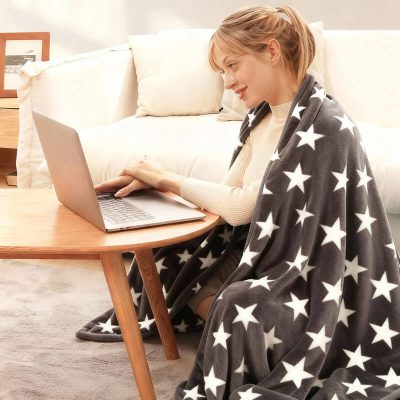
As winter settles in across the UK, many households face the same familiar dilemma: how to stay warm without sending energy bills through the roof. Central heating costs continue to rise, gas prices fluctuate, and even efficient boilers can feel expensive to run all day and night. Yet despite the cold, a surprising number of people still avoid one of the most energy-efficient heating solutions available — the electric blanket.
The reason? A long-standing fear of electromagnetic radiation.
You’ll often hear comments like, “I don’t trust electric blankets — what about the radiation?” or “Isn’t sleeping on an electric blanket bad for your health?” These concerns are understandable, especially in an age where we’re constantly warned about invisible risks from technology. But how much of this fear is based on science, and how much is outdated misinformation?
Let’s take a closer look at the facts, the myths, and why electric blankets may actually be one of the smartest ways to stay warm during a British winter.
Why the Fear Around Electric Blankets Still Exists
Electric blankets have been around for decades, and early models were very different from what we use today. Older designs lacked modern insulation, safety sensors, and strict manufacturing standards. Stories of overheating, electrical faults, and vague concerns about “radiation” spread easily — and once fear takes hold, it tends to linger.
Electromagnetic radiation, or EMF (electromagnetic fields), sounds alarming because the word “radiation” is often associated with X-rays or nuclear energy. In reality, not all radiation is the same, and this is where much of the confusion begins.
Understanding Electromagnetic Radiation in Simple Terms
Electromagnetic radiation covers a very broad spectrum. At one end, you have high-frequency, ionising radiation like X-rays and gamma rays, which can damage cells and DNA at high exposure levels. At the other end, you have low-frequency, non-ionising radiation, which includes everyday household electricity.
Electric blankets fall firmly into this second category.
They operate using extremely low frequency (ELF) electromagnetic fields, similar to those produced by lamps, phone chargers, electric kettles, hairdryers, and even the wiring inside your walls. These low-frequency fields do not damage DNA and are not considered harmful at normal household exposure levels.
According to scientific bodies such as the World Health Organisation (WHO) and Public Health England, there is no consistent evidence linking low-level ELF exposure from household appliances to serious health problems.
What Science Says About Electric Blankets and EMF
Over the years, electric blankets have been studied more than many people realise. Research into EMF exposure consistently shows that:
- The electromagnetic fields produced by electric blankets are very low
- Exposure drops rapidly with distance from the heating wires
- Modern electric blankets are designed to meet strict UK and EU safety standards
- Using an electric blanket according to manufacturer guidelines does not pose a proven health risk
In fact, the EMF levels from an electric blanket are often lower than those produced by a mobile phone held against the head — a device most people use daily without concern.
It’s also worth noting that many electric blankets are designed to be used to preheat the bed, then turned off before sleep. This further reduces any potential exposure while still delivering warmth when you need it most.
Modern Electric Blankets Are Not What They Used to Be
Technology has moved on significantly. Today’s electric blankets include features that didn’t exist in older models, such as:
- Automatic shut-off timers
- Overheat protection sensors
- Even heat distribution
- Low-voltage operation
- Improved insulation and flame-resistant materials
These advancements not only improve safety but also enhance comfort and efficiency. When used properly, modern electric blankets are considered one of the safest electric heating products for home use.
The Reality of British Winters and Rising Energy Costs
UK winters are often described as “mild” compared to some countries, but anyone who’s lived through a damp January evening knows how bone-chilling the cold can feel. Prolonged low temperatures, high humidity, and poorly insulated homes make staying warm a challenge — especially overnight.
At the same time, energy bills remain a major concern. Running central heating for long hours, particularly in older properties, can be costly. This is where electric blankets quietly outperform many alternatives.
An electric blanket typically uses between 50 and 150 watts, depending on the size and heat setting. In comparison, central heating systems consume far more energy to warm an entire home, even when only one person is in bed.
From a cost perspective, electric blankets offer:
- Targeted warmth where it’s needed most
- Significantly lower running costs
- Reduced reliance on overnight heating
- A practical solution for colder bedrooms
For many UK households, especially those trying to manage winter expenses, electric blankets make financial sense.
Are Electric Blankets Safe for Overnight Use?
This is one of the most common questions — and the answer depends on the product and how it’s used.
Modern electric blankets designed for overnight use typically feature low-heat settings, automatic temperature regulation, and timers. As long as you follow the manufacturer’s instructions — avoiding folding, using them on compatible mattresses, and checking for wear — they are considered safe for regular use.
For people who prefer extra peace of mind, using an electric blanket to warm the bed before sleep and switching it off once you’re comfortable is an excellent option.
Who Benefits Most from Electric Blankets?
Electric blankets are particularly helpful for:
- People who feel the cold easily
- Those living in draughty or older homes
- Individuals trying to reduce heating costs
- Anyone seeking targeted, personal warmth
- Households aiming to lower overall energy consumption
They can also be a comforting addition for elderly users, provided the product is suitable and used correctly.
Choosing a Safe and Reliable Electric Blanket
If you’re considering buying an electric blanket, look for:
- UKCA or CE certification
- Overheat protection and auto shut-off
- Clear temperature controls
- Washable designs (where appropriate)
- Trusted retailers with transparent safety information
Quality matters, especially when it comes to electrical heating products.
A Smarter Way to Stay Warm This Winter
Concerns about electromagnetic radiation are understandable, but when we separate myth from evidence, electric blankets emerge as a safe, efficient, and cost-effective solution for winter warmth. Scientific research does not support the idea that modern electric blankets pose a health risk when used correctly.
With UK energy costs remaining high and winters showing no signs of becoming milder, it’s worth reconsidering how we heat our homes — and our beds.
Retailers like Home Pet Essentials offer a range of modern electric blankets designed with safety, comfort, and efficiency in mind. Whether you’re looking to reduce overnight heating or simply enjoy a warmer night’s sleep, a well-made electric blanket can be a practical addition to your winter routine.